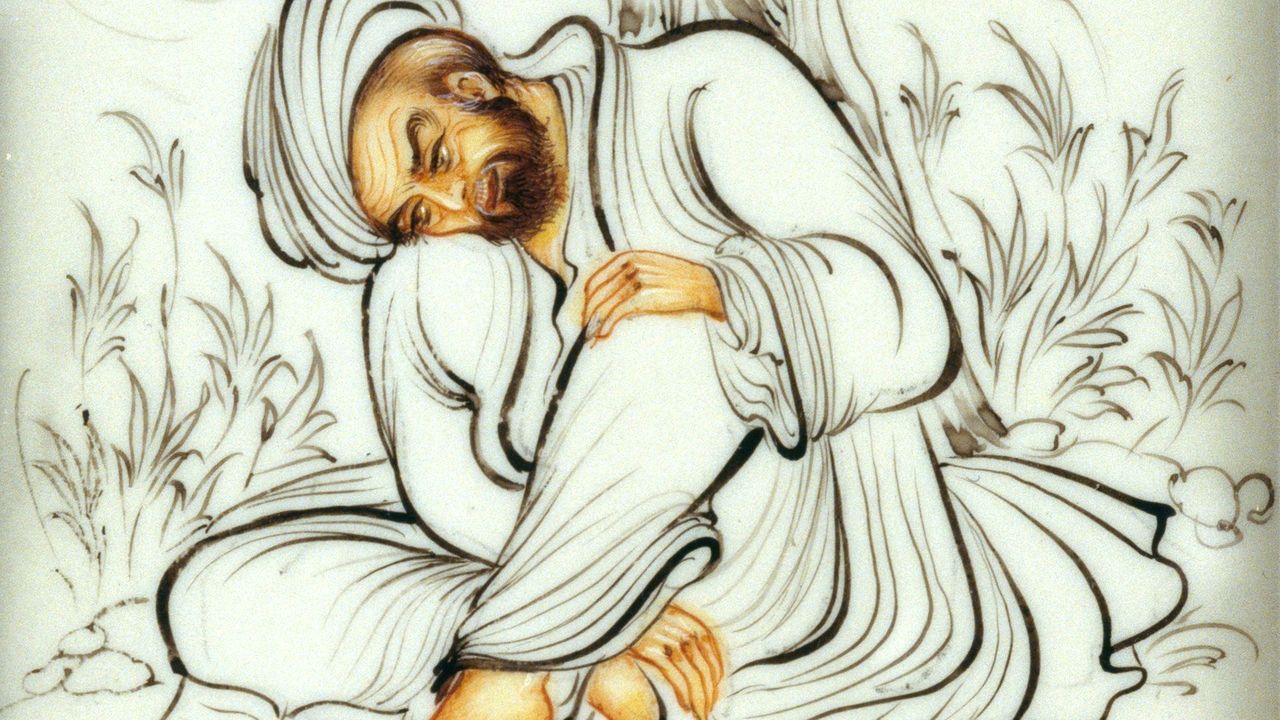
The Healing Gaze of the Beloved
In the poignant words of Hafiz, "My heart's wound has healed in the gaze of the Friend," we encounter a profound exploration of healing through connection. This quote encapsulates the essence of Sufi spirituality, where the divine is often personified as the Beloved, a figure whose gaze brings solace and restoration. The stakes of this sentiment are high; in a world rife with emotional and spiritual wounds, the idea that healing can emerge from a relationship with the divine invites us to seek deeper connections, both with ourselves and with the sacred.
Hafiz's assertion speaks to the transformative power of love and presence. The "gaze of the Friend" suggests not merely a passive observation but an active engagement that fosters healing. This notion compels us to reflect on the relationships in our lives—those that uplift us and those that may inadvertently deepen our wounds. It invites us to consider how we might cultivate a gaze that nurtures rather than harms, both in our interactions with others and in our relationship with the divine.
The image / the metaphor
The imagery in Hafiz's quote is rich and evocative. The "heart's wound" symbolizes the emotional and spiritual injuries we carry, while the "gaze of the Friend" represents a loving, compassionate presence that has the power to mend those wounds. The choice of the word "gaze" is particularly significant; it implies a depth of attention and awareness that transcends mere sight. It evokes a sense of intimacy, suggesting that true healing occurs not in isolation but in the warmth of connection.
Diving deeper into the metaphor, we find that the act of gazing is not just about looking; it is about seeing and being seen. In Sufi thought, the gaze of the Beloved is imbued with divine love, a love that recognizes our wounds and embraces us nonetheless. This gaze invites us to surrender our defenses and allow ourselves to be vulnerable, fostering an environment where healing can take place. It is a reminder that our wounds do not define us; rather, they can become the very pathways through which we experience profound love and connection.
In the speaker's tradition
Hafiz's work is deeply rooted in the Sufi tradition, which emphasizes the importance of love, unity, and the transformative power of divine connection. Concepts such as *fana*—the annihilation of the self in the presence of the Beloved—resonate with the healing described in this quote. In Sufism, the journey toward union with the divine often involves confronting our wounds and limitations, allowing them to be transformed through love. This process is akin to the Buddhist concept of *sunyata*, or emptiness, where the release of attachments leads to a profound sense of freedom and healing.
Furthermore, Hafiz's emphasis on the gaze can be likened to the practice of *bhakti*, or devotion, found in various spiritual traditions. Just as a devotee seeks the presence of the divine in the beloved, Hafiz invites us to recognize that healing occurs in the embrace of love. The *Divan* itself serves as a testament to this journey, filled with verses that celebrate the ecstatic experience of divine love and the healing it brings to the soul.
Living the teaching
Consider a modern scenario where this teaching might resonate: a person grappling with the aftermath of a painful breakup. In the midst of heartache, they might find solace in the presence of a close friend who listens without judgment, offering a gaze filled with compassion and understanding. This simple act of being seen and heard can initiate a healing process, allowing the individual to confront their wounds and begin to mend them. The friend’s gaze becomes a mirror reflecting the possibility of love and acceptance, reminding them that they are not alone in their suffering.
In another context, imagine a moment of tension in a relationship where misunderstandings have created emotional distance. By consciously choosing to engage with the other person through a gaze of love and empathy, one can begin to bridge the gap. This act of intentional presence can transform the interaction, fostering an environment where healing can occur. The gaze, in this case, becomes a powerful tool for reconnection, illustrating how the principles of Hafiz's teaching can be applied in our daily lives.
A reflection
As we contemplate Hafiz's words, we are invited to ask ourselves: How can I cultivate a gaze that heals, both for myself and for others? This question encourages us to reflect on the ways we engage with our own wounds and the wounds of those around us. It challenges us to consider how we might embody the qualities of the Friend, offering love and understanding in a world that often feels fractured. In this exploration, we may discover that healing is not just a personal journey but a shared experience, woven together through the threads of compassion and connection.



Join the BrightStar Community
Stay connected with daily inspiration, event announcements, and community wisdom