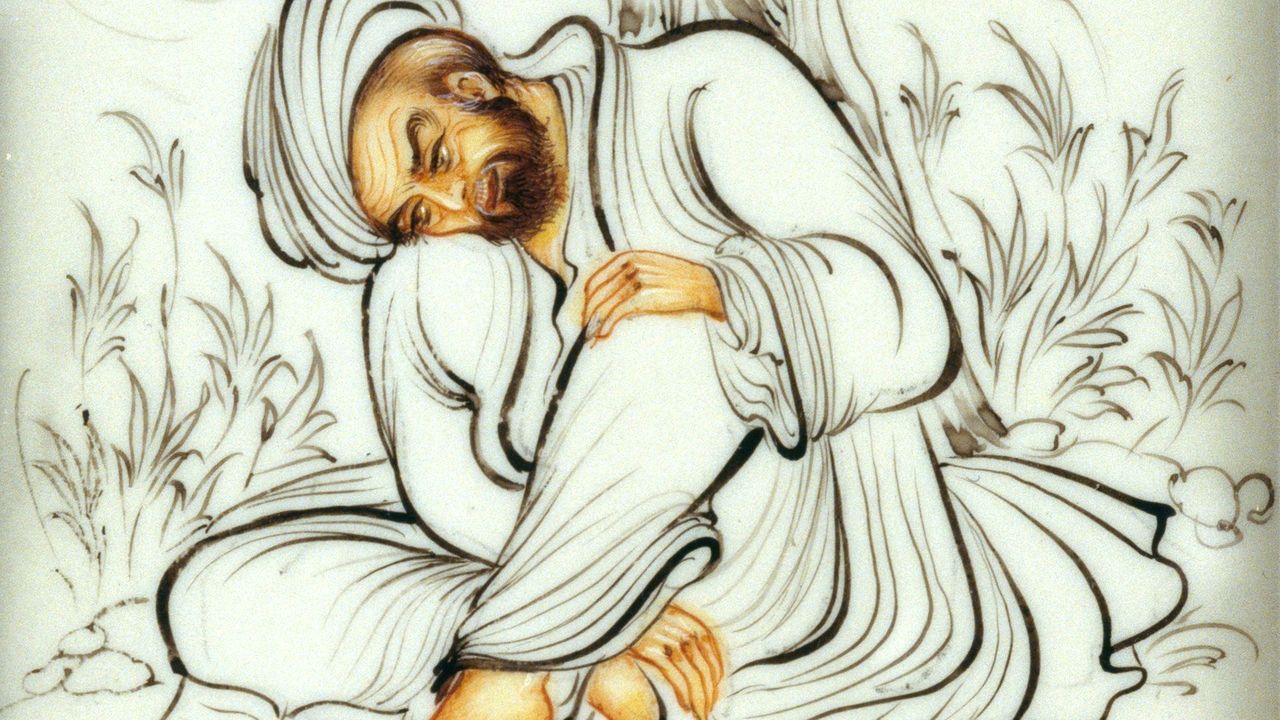
Embracing Humility to Encounter the Divine
Hafiz invites us to "lay your face in the dust if you would see the Beloved," a profound call to humility as a pathway to divine connection. This evocative imagery suggests that true vision of the sacred requires a surrender of the ego, a willingness to embrace our smallness in the vastness of existence. In a world often dominated by self-importance and distraction, this teaching resonates deeply, urging us to reconsider our relationship with the divine and the humility necessary to truly perceive it.
In this context, the act of laying one's face in the dust serves as both a literal and metaphorical gesture. It symbolizes a profound submission, an acknowledgment of our human limitations, and a recognition that the divine is not found in the heights of pride but in the depths of humility. This teaching is not merely an abstract idea; it is a lived experience that challenges us to confront our own barriers to seeing the Beloved, inviting us to cultivate a deeper awareness of our interconnectedness with all of creation.
The image / the metaphor
The imagery of laying one's face in the dust evokes a visceral response, conjuring feelings of surrender and vulnerability. Dust, often associated with the earth and the mundane, represents our origins and our ultimate return to the ground. The act of lowering oneself to the earth is a powerful metaphor for the humility required to encounter the divine. It suggests that in order to truly see and understand the Beloved, we must first relinquish our pride and pretense, allowing ourselves to be grounded in the reality of our existence.
Delving deeper into the metaphor, we find that dust also symbolizes the transient nature of life. Just as dust is easily stirred and scattered, so too are our lives filled with impermanence. By laying our faces in the dust, we acknowledge our fleeting existence and the importance of living with intention and awareness. This act of humility opens our hearts and minds, creating space for the divine to enter and transform our perception of reality.
In the speaker's tradition
Hafiz's wisdom is deeply rooted in the Sufi tradition, which emphasizes the importance of humility and the dissolution of the self in the pursuit of divine love. Concepts such as fana, or the annihilation of the ego, resonate profoundly with the teaching of laying one's face in the dust. In Sufism, the journey toward the Beloved is marked by a series of inner transformations, where the seeker learns to let go of attachments and desires that obscure the divine presence. This path is not merely about self-denial; it is a sacred journey toward unity with the divine essence.
In the context of Sufi poetry, we can draw parallels to the works of Rumi, who similarly speaks of the need to dissolve the self to experience divine love. In his poem "The Guest House," Rumi invites us to welcome all emotions and experiences, recognizing them as opportunities for growth and transformation. Both poets emphasize that the journey toward the Beloved requires a deep humility and an openness to the lessons life presents, urging us to embrace our vulnerability as a means to divine connection.
Living the teaching
Consider a modern scenario where this teaching might resonate: a moment of personal failure or disappointment. In such instances, we often grapple with feelings of inadequacy and pride, resisting the urge to confront our limitations. By metaphorically laying our faces in the dust, we can embrace our vulnerability and recognize that these experiences are not signs of weakness but opportunities for growth. This humility allows us to open our hearts to the lessons embedded within our struggles, fostering a deeper connection to ourselves and the divine.
Another application of this teaching can be found in relationships, particularly during conflicts or misunderstandings. When pride takes center stage, it becomes challenging to see the other person clearly. By adopting a posture of humility—laying our faces in the dust, so to speak—we create space for empathy and understanding. This willingness to lower ourselves can transform our interactions, allowing us to approach others with compassion and a genuine desire to connect, ultimately leading us closer to the Beloved that resides within each of us.
A reflection
As we contemplate Hafiz's profound invitation, we might ask ourselves: What does it mean for me to lay my face in the dust in my own life? In what areas do I cling to pride or self-importance that may be obscuring my vision of the divine? This question invites us to engage in a deep and honest exploration of our hearts, encouraging us to embrace humility as a transformative practice that opens the door to a more profound experience of love and connection with the Beloved.




Join the BrightStar Community
Stay connected with daily inspiration, event announcements, and community wisdom