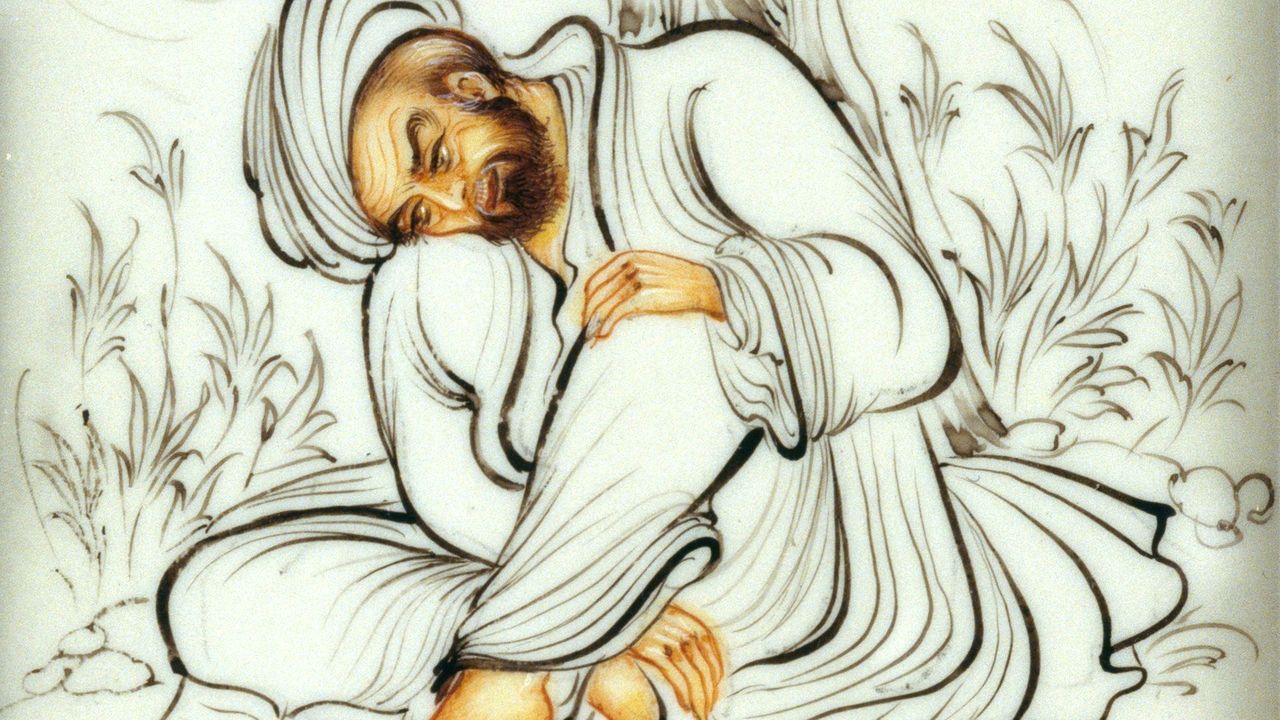
The Fragrance of Sacrifice: Unveiling the Rose
Hafiz's poignant assertion, "Know that the rose tears its own veils to give its scent," invites us to contemplate the profound relationship between beauty and sacrifice. In this metaphor, the rose embodies the idea that true beauty often emerges from a process of self-disclosure and vulnerability. The act of shedding its protective layers symbolizes the inherent struggle that accompanies the gift of one's essence to the world. This teaching resonates deeply in our lives, urging us to recognize that the most exquisite offerings often arise from a place of personal sacrifice.
As we delve deeper into this quote, we uncover layers of meaning that speak to the human experience of love, creativity, and spiritual awakening. The rose, with its delicate petals and intoxicating fragrance, serves as a reminder that beauty is not merely a surface phenomenon; it is often born from the willingness to expose oneself to the world, to risk pain for the sake of connection and authenticity. This notion challenges us to reflect on our own lives, asking how we might embrace vulnerability to cultivate our unique gifts and share them with others.
The image / the metaphor
The imagery of the rose tearing its veils evokes a visceral sense of both beauty and pain. The verb "tears" suggests an active, almost violent process, highlighting the struggle involved in revealing one's true self. This act of shedding layers is not merely a physical transformation; it is an emotional and spiritual unveiling that requires courage and resilience. The rose, a symbol of love and beauty, paradoxically illustrates that the very essence of its allure is intertwined with the pain of exposure.
Diving deeper into the metaphor, we recognize that the rose's fragrance is not just a byproduct of its beauty; it is a gift to the world, a testament to the idea that our most profound contributions often come at a cost. The act of giving one's scent, a representation of one's essence, underscores the interconnectedness of existence. In this light, the rose becomes a symbol of the human condition, reminding us that our struggles and sacrifices can lead to the creation of something beautiful that enriches the lives of others.
In the speaker's tradition
Hafiz, a luminary of Sufi poetry, invites us to explore the depths of love and the nature of the divine through his work. Within the Sufi tradition, concepts such as fana (the annihilation of the self) and bhakti (devotional love) resonate with the essence of this quote. The rose's act of tearing its veils parallels the Sufi journey toward selflessness, where the individual ego must be relinquished to experience the divine presence fully. This path emphasizes that true beauty and love arise from surrendering oneself to a higher purpose.
In the context of Sufi literature, we can draw parallels with Rumi's teachings on love and sacrifice. In his poem "The Masnavi," Rumi speaks of the lover's journey, where the heart must endure trials and tribulations to attain union with the beloved. This shared theme of sacrifice and the unveiling of the self underscores the transformative power of love, suggesting that the act of giving oneself fully is essential for spiritual growth and the manifestation of beauty in the world.
Living the teaching
Consider a modern scenario where this teaching resonates: a creative individual pouring their heart into a project, be it art, writing, or music. The process often involves vulnerability, as they must confront their fears of inadequacy and rejection. In this context, the act of sharing their work with the world mirrors the rose's shedding of its veils. The beauty of their creation is inextricably linked to the sacrifices made along the way, reminding us that the most impactful expressions of creativity often emerge from a place of personal struggle and authenticity.
In relationships, the teaching of the rose can manifest in the willingness to be open and vulnerable with a partner. This might involve sharing fears, insecurities, or past wounds, which can be daunting yet ultimately enriching. Just as the rose must tear its veils to release its scent, individuals in a relationship must be willing to expose their true selves to foster deeper connections. This vulnerability can lead to a more profound understanding and appreciation of one another, transforming the relationship into a garden of mutual growth and beauty.
A reflection
As we contemplate Hafiz's words, we are invited to consider the layers of our own lives. What veils are we holding onto that prevent us from sharing our true essence with the world? In what ways might we embrace vulnerability to cultivate our unique gifts and contribute to the beauty around us? Reflecting on these questions can guide us toward a deeper understanding of ourselves and our interconnectedness with others, ultimately leading to a more authentic and fulfilling existence.


Join the BrightStar Community
Stay connected with daily inspiration, event announcements, and community wisdom