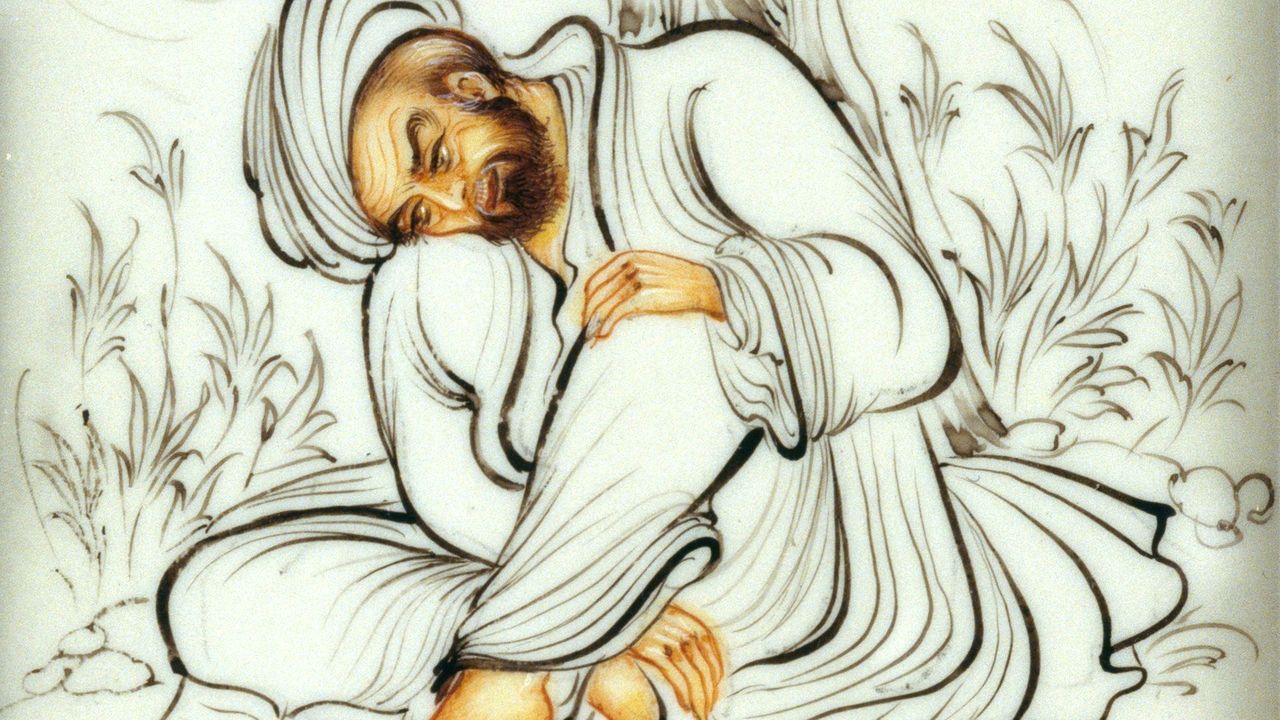
The Heart's Return: A Journey of Giving and Receiving
Hafiz's poignant declaration, "It begged at last from me what was once its own," invites us to reflect on the cyclical nature of love and the intrinsic connection between giving and receiving. This quote encapsulates a profound truth about the heart's journey, suggesting that what we offer to the world is often a reflection of what we have received. In a society that frequently emphasizes acquisition and ownership, Hafiz reminds us of the deeper spiritual reality that our gifts are not merely ours to keep but are part of a larger, interconnected tapestry of existence.
At its core, this quote speaks to the essence of surrender and the recognition that our hearts are not isolated entities but rather vessels of divine love. The act of giving back what was once ours signifies a return to the source, a recognition that our gifts are ultimately borrowed from the universe. This cyclical exchange fosters a sense of humility and gratitude, urging us to acknowledge the interconnectedness of all beings and the divine flow that sustains us. In this light, Hafiz's words resonate with the timeless wisdom of Sufism, where the heart's journey is seen as a path toward unity with the divine.
The image / the metaphor
The imagery in Hafiz's quote evokes a sense of longing and reciprocity. The word "begged" suggests a deep yearning, as if the heart is pleading for the return of something essential. This plea is not one of desperation but rather an acknowledgment of the heart's innate desire to reunite with its source. The phrase "what was once its own" hints at a lost connection, a piece of the self that has been given away or forgotten. This metaphorical language captures the essence of our spiritual journey, where we often find ourselves in a state of longing for what we have given away in love, kindness, or creativity.
Diving deeper into the metaphor, we can see that this quote encapsulates the idea of the heart as a dynamic entity, one that thrives on the act of giving and receiving. The heart's "begging" is a reminder that our emotional and spiritual well-being is intertwined with our capacity to share our gifts with others. In this sense, the act of giving becomes a sacred exchange, a dance of energies that nourishes both the giver and the receiver. This interplay of love and generosity is a fundamental aspect of the human experience, reflecting the divine nature of our existence.
In the speaker's tradition
Hafiz's wisdom is deeply rooted in the Sufi tradition, which emphasizes the importance of love, unity, and the dissolution of the self in the presence of the divine. Concepts such as *fana*, or the annihilation of the ego, resonate with the idea that true fulfillment comes from surrendering our individual desires in favor of a greater love. In this context, the act of giving back what was once ours can be seen as a form of *kenosis*, the self-emptying that allows divine love to flow through us. This surrender is not a loss but a return to our true nature, where the heart recognizes its place within the vastness of existence.
In the *Divan*, Hafiz often explores themes of love and longing, drawing parallels between the human experience and the divine. His poetry reflects a deep understanding of the heart's journey, echoing the sentiments found in other Sufi texts, such as Rumi's *Masnavi*, where the heart's yearning for union with the divine is a central theme. Both poets illuminate the path of love as a transformative force, urging us to recognize that our gifts and our very selves are part of a larger, sacred whole.
Living the teaching
Consider a modern scenario where this teaching resonates: a friend who has always been there for you during difficult times suddenly finds themselves in need of support. In this moment, you are called to give back what they have so generously offered you in the past. This act of reciprocity not only strengthens your bond but also reinforces the understanding that love is a shared journey, where each person plays a vital role in the other's life. By recognizing the cyclical nature of giving and receiving, you embody Hafiz's wisdom, allowing your heart to flourish in the act of service.
Another application of this teaching might arise in a challenging relationship, where misunderstandings have created distance. By reflecting on what you have previously shared with this person—trust, love, and vulnerability—you may find the courage to reach out and offer forgiveness or understanding. In doing so, you reclaim a piece of your heart that was once given away, fostering healing and connection. This practice of returning to the heart's essence not only enriches your relationships but also deepens your spiritual journey, reminding you that love is a continuous flow that nourishes all involved.
A reflection
As we contemplate Hafiz's profound words, we are invited to ask ourselves: What gifts have I received that I can now share with others? This question encourages us to reflect on the interconnectedness of our experiences and the importance of recognizing the cyclical nature of love. In embracing this inquiry, we open ourselves to the possibility of deeper connections and a more profound understanding of our place within the divine tapestry of existence.


Join the BrightStar Community
Stay connected with daily inspiration, event announcements, and community wisdom