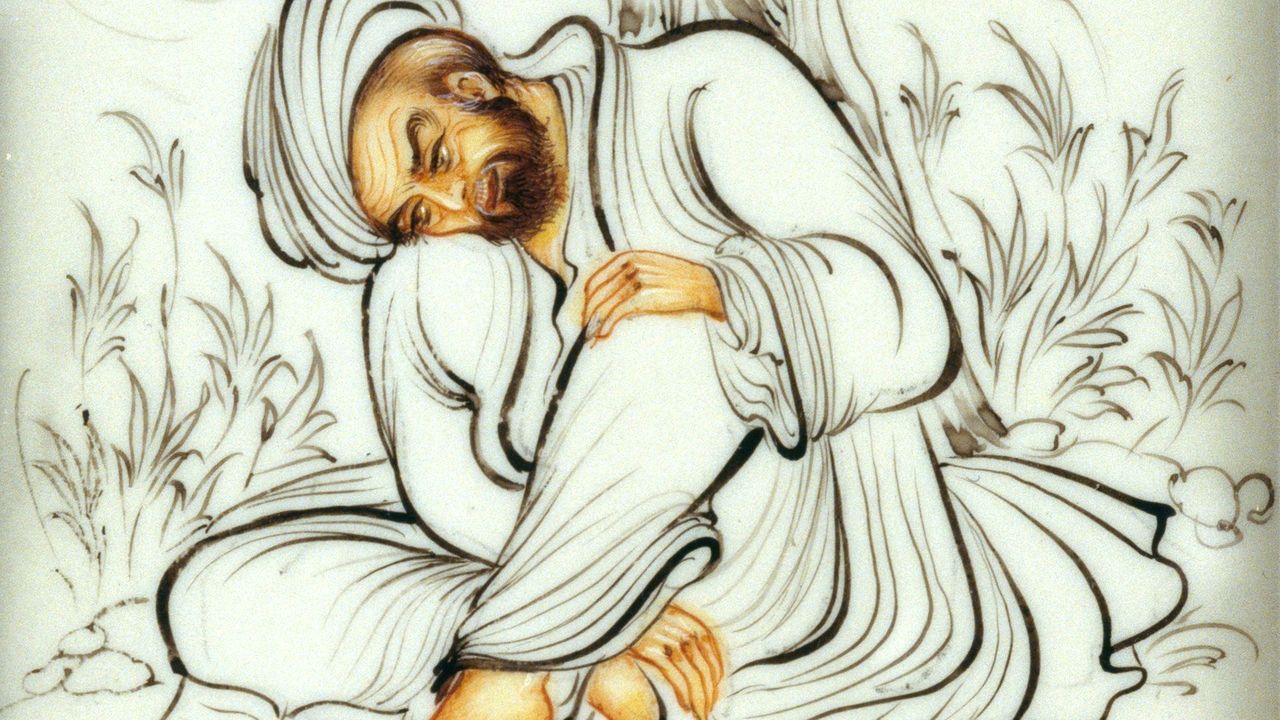
Equality in the Heart of the Tavern
Hafiz's assertion that "In the tavern, the Sufi and the king are equals" invites us to contemplate the profound nature of equality and unity within the human experience. This statement transcends the mere social hierarchies that often define our interactions, suggesting that in the sacred space of shared humanity, all distinctions dissolve. The tavern, a metaphor for a place of gathering and communion, becomes a sanctuary where the essence of our being is revealed, unencumbered by titles or status.
In a world rife with division and inequality, Hafiz's words resonate with a timeless truth that challenges our perceptions of self and other. The tavern symbolizes not only a physical space but also a spiritual realm where the divine essence within each individual is acknowledged and celebrated. This teaching encourages us to seek connection rather than separation, reminding us that the heart's true nature recognizes no boundaries, and in this recognition, we find the potential for profound transformation.
The image / the metaphor
The imagery of the tavern conjures a vibrant scene filled with laughter, music, and the clinking of glasses, where people from all walks of life come together. The choice of the word "equals" is particularly striking; it suggests a leveling of the playing field, where the Sufi, often seen as a mystic seeker of truth, stands shoulder to shoulder with the king, a figure of authority and power. This juxtaposition invites us to feel the warmth of camaraderie and the joy of shared existence, where the burdens of societal roles are momentarily lifted.
In the speaker's tradition
Hafiz, a luminary of Sufi poetry, draws upon the rich tapestry of Sufi thought, which emphasizes the unity of all beings in the divine. Concepts such as fana, or the annihilation of the self, resonate deeply with the idea of equality in the tavern. In Sufism, the dissolution of the ego allows one to experience the interconnectedness of all life, recognizing that beneath the surface differences, we are all manifestations of the same divine essence. This understanding fosters a sense of compassion and love that transcends societal divisions.
In the context of Sufi literature, Hafiz's assertion can be likened to the teachings found in Rumi's poetry, where the beloved is often portrayed as the unifying force that brings together disparate souls. Rumi's famous line, "The wound is the place where the Light enters you," echoes the sentiment that our shared vulnerabilities and experiences can lead to a deeper understanding of our collective humanity. Both poets invite us to embrace the idea that true equality is found in our shared struggles and joys, illuminating the path toward spiritual awakening.
Living the teaching
Consider a modern scenario where this teaching might manifest: a community gathering in a local park, where individuals from diverse backgrounds come together to share stories, food, and laughter. In this space, the distinctions of wealth, education, and status fade away, and what emerges is a tapestry of shared experiences and mutual respect. Here, the essence of Hafiz's teaching comes alive, as people connect not through their titles but through their humanity, fostering a sense of belonging that transcends societal barriers.
In a more intimate context, think of a challenging moment in a relationship where misunderstandings have created distance. By embodying the spirit of equality that Hafiz speaks of, one partner might approach the other with humility and openness, recognizing that both are seeking love and understanding. This shift in perspective allows for healing and reconnection, as the couple remembers that beneath their differences lies a shared desire for connection. In these moments, the tavern of the heart becomes a sanctuary where love reigns supreme, and equality is not just an ideal but a lived reality.
A reflection
As we reflect on Hafiz's profound statement, we might ask ourselves: In what ways do I allow societal labels to define my relationships with others? This question invites us to explore the barriers we construct and to consider how we might cultivate a sense of equality in our daily interactions. By embracing the spirit of the tavern, we can begin to dismantle the walls that separate us, fostering a deeper connection with ourselves and those around us.



Join the BrightStar Community
Stay connected with daily inspiration, event announcements, and community wisdom