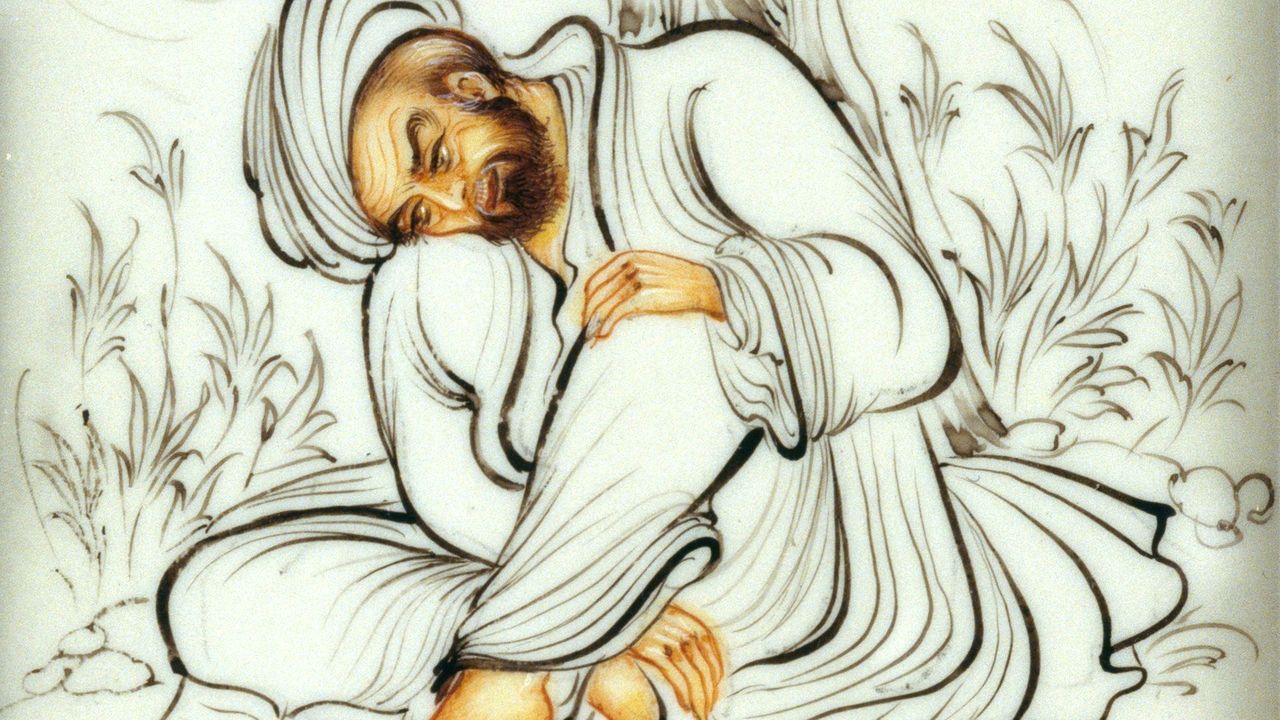
The Thorn and the Bloom: Lessons from Hafiz
Hafiz, the beloved Persian poet, invites us to consider the paradox of love through the lens of his evocative quote: "In the orchard of love, even the thorn is a teacher." This statement suggests that within the realm of love, every experience—pleasant or painful—holds the potential for profound learning. The stakes are high; in a world often enamored with the sweetness of love, we may overlook the thorns that accompany it, which can teach us resilience, patience, and deeper understanding.
To delve deeper, we must recognize that love is not merely an idyllic state but a complex journey filled with both joy and sorrow. The imagery of an orchard evokes a sense of abundance, yet it is also a reminder that beauty and pain coexist. The thorn, often seen as a nuisance or a source of discomfort, becomes a vital teacher in this context, urging us to embrace the entirety of our experiences. In doing so, we cultivate a richer, more nuanced understanding of love and its transformative power.
The image / the metaphor
The imagery of an orchard conjures a lush, fertile space where love flourishes. Yet, nestled among the blossoms are thorns, sharp and unexpected. The choice of the word "teacher" is particularly poignant; it implies an active role that these thorns play in our lives. They are not merely obstacles but rather guides that lead us toward greater wisdom. This duality of beauty and pain encapsulates the essence of love, suggesting that our most challenging experiences can yield the most significant insights.
In the speaker's tradition
Hafiz's wisdom is deeply rooted in the Sufi tradition, which emphasizes the transformative power of love as a path to divine union. Concepts such as *fana*, the annihilation of the self in the presence of the beloved, resonate with the idea that love encompasses both ecstasy and suffering. In Sufism, the journey toward understanding love often involves navigating the thorns of our own ego and desires, leading to a more profound connection with the divine. This intricate dance between joy and pain is central to the Sufi experience, where every encounter is seen as an opportunity for spiritual growth.
In the context of Hafiz's work, we can draw parallels to the *Masnavi* of Rumi, another luminary of Sufi thought. Rumi often speaks of love as a force that breaks down barriers, urging us to embrace both the sweetness and the bitterness of life. In this light, the thorn becomes a necessary element of the journey, teaching us to surrender to love's complexities and to find beauty in the struggle. Both poets illuminate the path of love as one that is rich with lessons, urging us to remain open to the teachings that arise from our experiences.
Living the teaching
Consider a modern scenario where this teaching resonates: a friendship that has soured due to misunderstandings. The initial joy of companionship is overshadowed by conflict, leaving both parties feeling hurt and disillusioned. Yet, if we approach this situation with the mindset that even the thorns of this relationship can teach us, we may find opportunities for growth. Perhaps the conflict reveals deeper insecurities or unmet needs, prompting a conversation that ultimately strengthens the bond. In this way, the thorn becomes a catalyst for healing and deeper understanding.
Another application of this teaching can be found in romantic relationships, where love often brings both ecstasy and pain. Imagine navigating a difficult moment, such as a betrayal or a significant disagreement. Instead of viewing this experience solely as a source of suffering, we can choose to see it as an opportunity for learning. What does this thorn reveal about our expectations, our vulnerabilities, or our capacity for forgiveness? By embracing the lessons embedded in our struggles, we cultivate a more resilient and compassionate approach to love, allowing it to flourish despite the inevitable thorns.
A reflection
As we contemplate Hafiz's profound insight, we are invited to reflect on our own experiences with love and its accompanying challenges. What thorns have you encountered in your relationships, and what lessons have they imparted? In recognizing the value of these experiences, we open ourselves to a deeper understanding of love's transformative power, allowing it to guide us toward greater wisdom and connection.




Join the BrightStar Community
Stay connected with daily inspiration, event announcements, and community wisdom