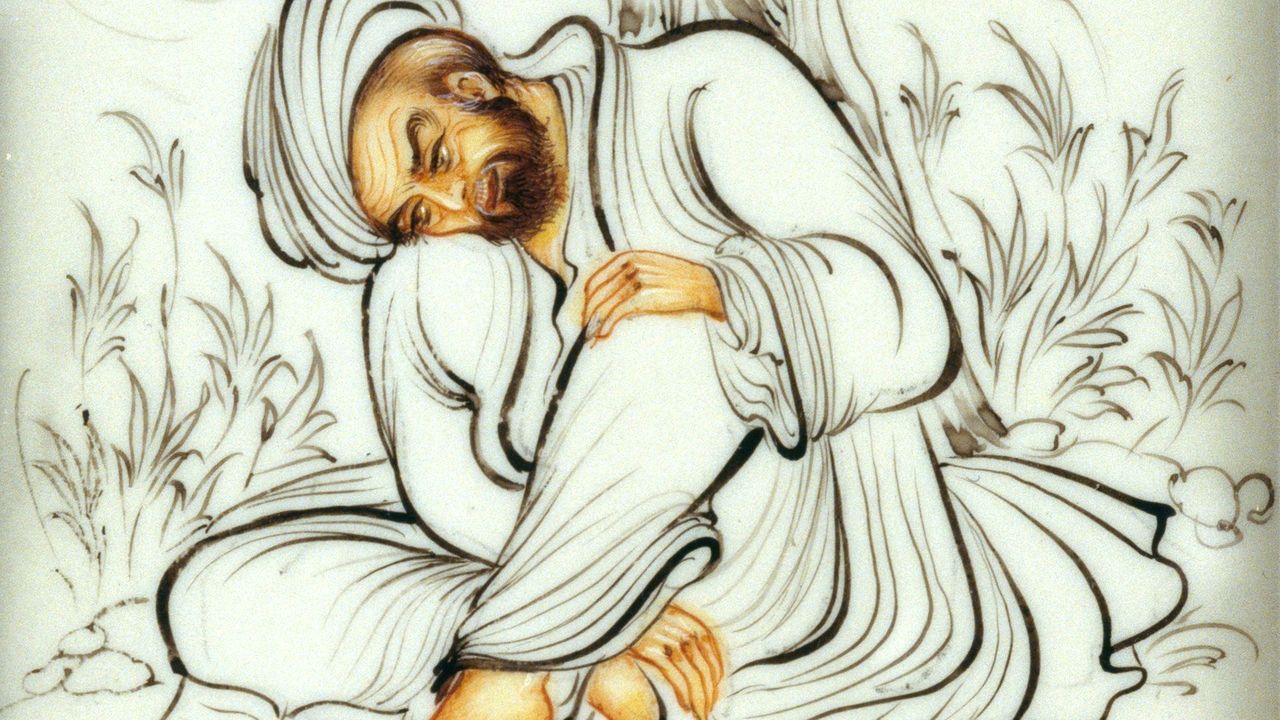
The Keys to Intimacy: Unlocking the Friend's House
In the words of Hafiz, "Hafiz, your verses are the keys to the Friend's house," we find a profound invitation to explore the nature of intimacy and connection through poetry. This quote suggests that the verses of Hafiz serve not merely as artistic expressions but as gateways to a deeper relationship with the divine, referred to here as the "Friend." The stakes are high; understanding this relationship can transform our spiritual journey, allowing us to access realms of love and understanding that are often obscured by the mundane.
As we delve into this quote, we recognize that Hafiz is not just speaking of physical keys but rather the keys of insight, emotion, and spiritual awakening. His poetry acts as a bridge, connecting the seeker to the divine presence that permeates all existence. This relationship is not one of distance but of intimacy, where the act of reading and contemplating his verses becomes a sacred practice, inviting us into the heart of the Friend's house, a metaphor for divine love and acceptance.
The image / the metaphor
The imagery in Hafiz's quote is rich and evocative. The "keys" symbolize access and permission, suggesting that through the act of engaging with his poetry, one can unlock the door to a deeper understanding of the divine. The choice of the word "Friend" is particularly poignant, as it conveys warmth and familiarity, contrasting with the often distant and austere depictions of the divine found in other traditions. This language invites us to see the divine not as a remote authority but as an intimate companion on our spiritual journey.
In the speaker's tradition
Hafiz's work is deeply rooted in the Sufi tradition, which emphasizes the importance of love, unity, and the quest for divine intimacy. Concepts such as "fana," or the annihilation of the self in the presence of the divine, resonate with the idea that true access to the Friend's house requires a surrendering of the ego. This aligns with the Sufi practice of "dhikr," or remembrance of God, where the repetition of divine names serves as a means to cultivate closeness and awareness of the divine presence in everyday life.
In the context of Sufi literature, Hafiz's poetry can be compared to the works of Rumi, another luminary of the tradition. Rumi often speaks of the beloved as a source of longing and fulfillment, echoing the sentiment found in Hafiz's quote. In Rumi's "Masnavi," the beloved is portrayed as both a destination and a journey, reinforcing the idea that the keys to divine intimacy are found not only in the destination but also in the path we take to get there.
Living the teaching
Consider a modern scenario where this teaching might resonate: a person grappling with feelings of isolation and disconnection in a fast-paced world. In such moments, turning to the poetry of Hafiz can serve as a balm, offering not just solace but a pathway to reconnect with the divine. By reading and reflecting on his verses, one can find a sense of belonging and intimacy that transcends the physical distance often felt in contemporary life. The act of engaging with poetry becomes a sacred ritual, a way to unlock the door to the Friend's house and experience the warmth of divine companionship.
Another application of this teaching can be found in relationships, particularly during challenging times. When misunderstandings arise, the poetry of Hafiz can serve as a reminder of the deeper connections that bind us. By invoking the spirit of his verses, individuals can approach their loved ones with a sense of compassion and understanding, recognizing that the keys to intimacy lie in vulnerability and open-hearted communication. In this way, Hafiz's poetry not only enriches our spiritual lives but also enhances our human connections, reminding us that the Friend's house is always open to those who seek it.
A reflection
As we contemplate Hafiz's assertion that his verses are the keys to the Friend's house, we are invited to reflect on our own relationship with the divine. What keys do we hold that can unlock deeper intimacy in our lives? In what ways can we engage with poetry, art, or spiritual practice to foster a more profound connection with the divine presence? These questions encourage us to explore the pathways that lead us to the heart of love and understanding, inviting us to step into the warmth of the Friend's house.



Join the BrightStar Community
Stay connected with daily inspiration, event announcements, and community wisdom