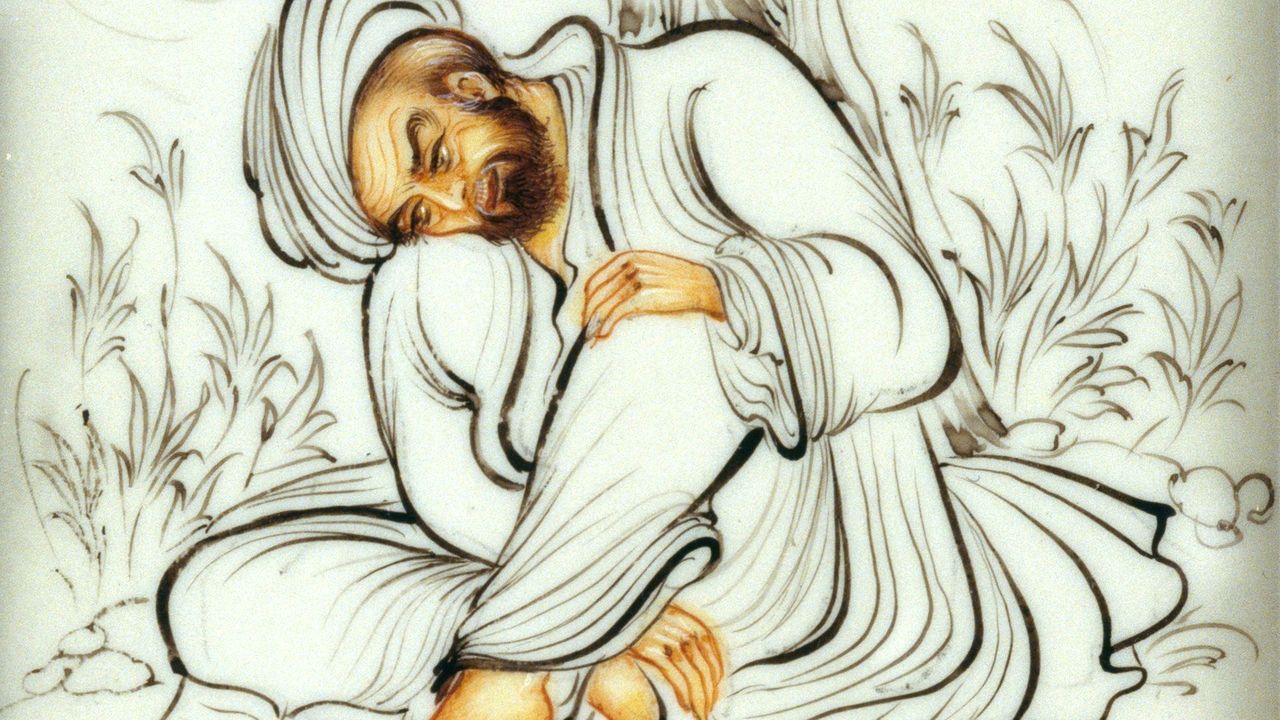
Illuminating the Wound: The Divine Light of Healing
Hafiz's poignant assertion, "The wound is where God's light enters," invites us to reconsider our understanding of suffering and healing. At its core, this quote suggests that our deepest pains can become the very channels through which divine grace flows into our lives. This perspective is not merely comforting; it challenges us to embrace our vulnerabilities as sacred spaces where transformation occurs. In a world that often seeks to avoid pain, Hafiz offers a radical invitation to lean into our wounds, recognizing them as potential sources of illumination and growth.
To delve deeper, we must acknowledge that wounds—whether emotional, spiritual, or physical—are universal experiences that shape our humanity. They are not merely scars to be hidden but rather profound teachers that can lead us to greater understanding and connection with the divine. In this light, Hafiz's words resonate with the essence of Sufi thought, which often emphasizes the paradox of suffering as a pathway to love and enlightenment. By reframing our wounds as openings for divine light, we can cultivate a faith that embraces the fullness of our human experience.
The image / the metaphor
The imagery in Hafiz's quote is rich and evocative, suggesting a dynamic interplay between pain and illumination. The word "wound" conjures a visceral sense of vulnerability, while "God's light" evokes a sense of divine presence and grace. This juxtaposition of suffering and enlightenment creates a powerful metaphor that speaks to the transformative potential inherent in our struggles. It invites us to visualize our wounds not as mere sources of sorrow but as sacred openings that allow for the entry of something greater than ourselves.
Diving deeper into this metaphor, we can see that the act of light entering a wound implies a healing process that is both active and passive. It suggests that while we may experience pain, there is also an inherent invitation to receive healing and wisdom. This duality reflects the Sufi understanding of the human condition, where the journey toward wholeness often requires us to confront our shadows. In this sense, Hafiz's words encourage us to embrace our wounds as integral to our spiritual journey, reminding us that the light of divine love can illuminate even the darkest corners of our existence.
In the speaker's tradition
Hafiz's insights are deeply rooted in the Sufi tradition, which often emphasizes the themes of love, surrender, and the transformative power of suffering. Concepts such as "fana," or the annihilation of the self, resonate with the idea that our wounds can lead to a deeper union with the divine. In Sufism, the path to enlightenment is often paved with trials that challenge the ego, allowing for a rebirth into a more expansive state of being. This aligns with the notion of "kenosis," the self-emptying love that opens us to divine grace, suggesting that our wounds can serve as conduits for this profound love.
Moreover, Hafiz's perspective echoes the teachings found in Rumi's poetry, where the beloved often emerges from the depths of suffering. In "The Essential Rumi," we find similar sentiments expressed, where the pain of separation becomes a catalyst for deeper love and connection. This intertextuality within Sufi literature highlights a shared understanding that our wounds are not merely obstacles but rather gateways to a more profound experience of divine love and unity.
Living the teaching
Consider a modern scenario where this teaching might resonate: a person grappling with the aftermath of a significant loss, such as the death of a loved one. In the initial stages of grief, the wound feels insurmountable, a chasm of despair that threatens to engulf them. However, as time unfolds, they may begin to notice moments of clarity and connection that arise from this pain. Perhaps they find themselves drawn to support groups or engage in creative expression, discovering that their wound has opened a pathway to empathy and understanding that they had not previously known. In this way, the light of divine grace enters through the wound, transforming their suffering into a source of strength and connection.
Another application of this teaching can be found in the realm of relationships. Imagine a couple facing a significant conflict that brings to the surface long-held grievances. Initially, the pain of confrontation may feel overwhelming, but as they navigate this difficult terrain together, they may uncover deeper layers of love and understanding. By acknowledging their wounds and allowing the light of honesty and vulnerability to enter, they can emerge from the conflict with a renewed sense of intimacy and trust. This process exemplifies how embracing our wounds can lead to profound healing and deeper connections with others.
A reflection
As we contemplate Hafiz's profound assertion, we are invited to reflect on our own wounds and the light that may be waiting to enter. What areas of your life feel like wounds, and how might they serve as openings for divine grace? In embracing this question, we can begin to shift our perspective on suffering, recognizing it as a potential catalyst for transformation and deeper connection with ourselves and the divine. In this way, we honor the wisdom of Hafiz and the rich tradition of Sufism, allowing our wounds to illuminate the path toward healing and love.



Join the BrightStar Community
Stay connected with daily inspiration, event announcements, and community wisdom