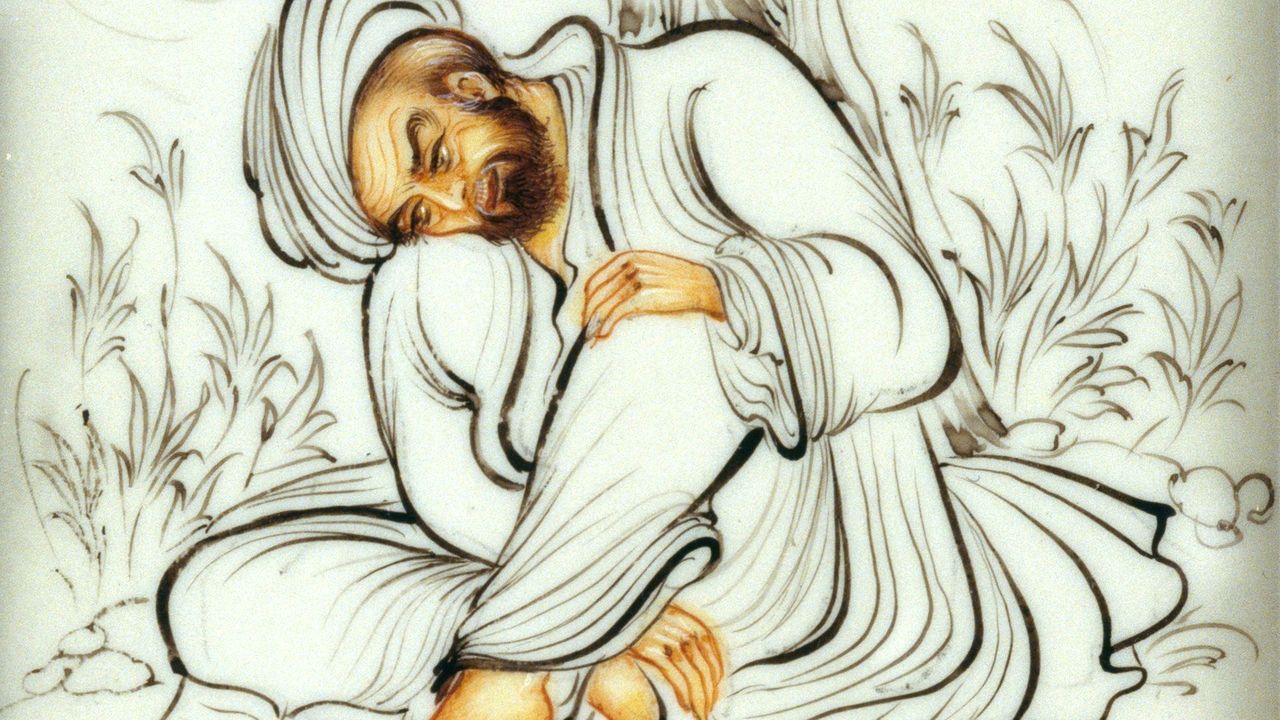
The Light Within the Wound
Hafiz's poignant assertion, "The wound is the place where the Light enters you," invites us to reconsider our relationship with suffering and vulnerability. In a world that often equates pain with weakness, this quote serves as a profound reminder that our wounds can be the very portals through which healing and illumination occur. It challenges us to embrace our scars, not as marks of defeat, but as symbols of transformation and growth. This perspective is crucial in a society that frequently shuns discomfort in favor of superficial happiness.
Delving deeper, we find that Hafiz's words resonate with the essence of Sufi wisdom, which often emphasizes the paradoxical nature of existence. The idea that light can emerge from darkness, that beauty can arise from pain, is a central theme in many spiritual traditions. This quote encapsulates the transformative power of love and healing, suggesting that our deepest wounds can lead us to a more profound understanding of ourselves and our connection to the divine. In this light, Hafiz invites us to explore the sacredness of our suffering, urging us to recognize it as a vital part of our spiritual journey.
The image / the metaphor
At first glance, the imagery of a wound may evoke feelings of discomfort or fear. However, Hafiz's choice of words is intentional and layered. The "wound" symbolizes not only physical pain but also emotional and spiritual suffering. The verb "enters" suggests an active process, as if light is seeking out the wound, eager to illuminate the darkness within. This dynamic interplay between light and wound creates a vivid picture of transformation, where vulnerability becomes a source of strength rather than a point of shame.
Going deeper into the metaphor, we can see that the wound represents our most profound vulnerabilities—those aspects of ourselves that we often hide or deny. In Sufi thought, these wounds can be seen as opportunities for divine grace to penetrate our hearts. The light that enters through these wounds signifies not just healing but also enlightenment, a deeper understanding of love, compassion, and interconnectedness. Thus, Hafiz encourages us to view our wounds as sacred spaces where the divine can touch our lives, fostering a transformative journey toward wholeness.
In the speaker's tradition
Hafiz's wisdom is deeply rooted in the Sufi tradition, which emphasizes the importance of love, surrender, and the transformative power of suffering. Concepts such as *fana* (the annihilation of the self) and *bhakti* (devotional love) resonate with the idea that through our wounds, we can experience a profound connection to the divine. In Sufism, the journey toward enlightenment often involves embracing our pain as a pathway to greater understanding and unity with the cosmos. This perspective aligns with the notion of *kenosis*, or self-emptying, where one must let go of the ego to allow divine light to enter.
A relevant text that echoes this sentiment is Rumi's poetry, which often speaks of love as a transformative force that can heal even the deepest wounds. Rumi writes, "The wound is the place where the Light enters you," mirroring Hafiz's insight and reinforcing the idea that our suffering can lead to spiritual awakening. Both poets invite us to embrace our wounds as integral to our spiritual journey, suggesting that through love and acceptance, we can transcend our pain and emerge into a fuller experience of life.
Living the teaching
Consider a modern scenario where this teaching might resonate: a person grappling with the aftermath of a significant loss, such as the death of a loved one. Initially, the pain feels insurmountable, a wound that seems to overshadow all aspects of life. Yet, as time passes, this individual may begin to find moments of clarity and connection, realizing that their grief has opened them to a deeper understanding of love and compassion. In this way, the wound becomes a catalyst for personal growth, allowing the light of new insights and connections to enter their life.
Another application of this teaching can be found in relationships, particularly during conflicts or misunderstandings. When we experience emotional wounds in our connections with others, it can be tempting to retreat or build walls. However, if we approach these wounds with openness and vulnerability, we may discover that they can lead to deeper intimacy and understanding. By allowing the light of love and empathy to enter through our wounds, we foster healing not only within ourselves but also within our relationships, transforming pain into a bridge for connection.
A reflection
As we contemplate Hafiz's profound words, we are invited to reflect on our own wounds and the light they may hold. What if we viewed our pain not as a burden but as a sacred opportunity for growth and transformation? In what ways can we allow the light of love and understanding to enter through our wounds, illuminating our path toward healing? This contemplative question encourages us to embrace our vulnerabilities, recognizing them as essential to our spiritual journey and our connection to the divine.




Join the BrightStar Community
Stay connected with daily inspiration, event announcements, and community wisdom