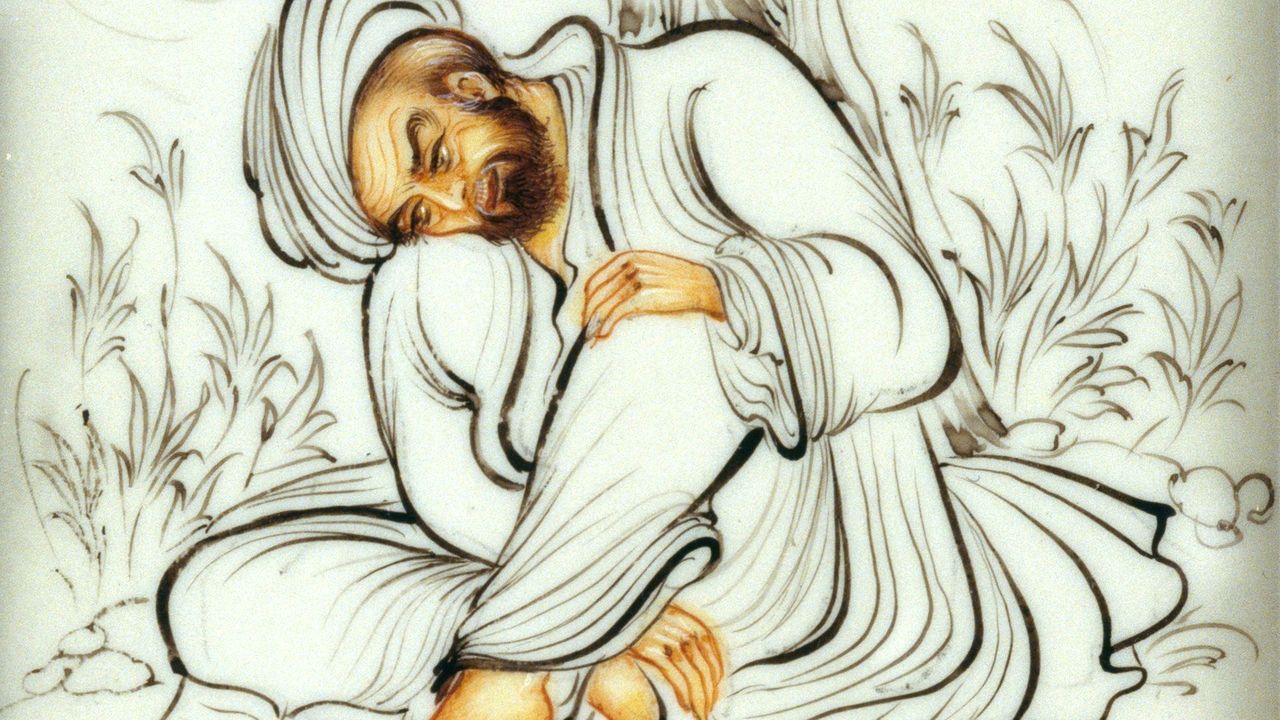
Embracing the Chaos of Love
Hafiz, the beloved Persian poet, invites us to consider a profound truth: on the path of love, the first lesson is to relinquish our grip on reason and ego. To "lose the head" suggests a surrender to the heart's wisdom, a letting go of the mental constructs that often bind us. This notion is not merely poetic; it is a call to embrace the transformative power of love, which requires us to step beyond our rational selves and into a realm of deeper connection and vulnerability. In a world that often prioritizes intellect over emotion, this teaching resonates with a timeless urgency.
In the context of Sufism, love is not just an emotion but a spiritual journey that leads to union with the Divine. Hafiz's words challenge us to confront the barriers erected by our egos, which often masquerade as our identities. By losing our heads, we open ourselves to a more authentic experience of love—one that transcends the limitations of the self. This teaching is particularly relevant in today's fast-paced society, where the pursuit of success and rationality can overshadow the more profound, intuitive aspects of our being.
The image / the metaphor
The imagery of "losing the head" evokes a visceral sense of disorientation and liberation. It suggests a shedding of the rational mind, which often clings to control and certainty. The verb "lose" implies an active choice, a willingness to let go of something that no longer serves us. This loss is not one of defeat but rather an invitation to embrace a new way of being—one that is guided by love rather than fear. The felt sense of this metaphor is one of surrender, a release into the unknown where true connection can flourish.
In the speaker's tradition
Hafiz's teaching is deeply rooted in the Sufi tradition, which emphasizes the importance of love as a path to spiritual enlightenment. Concepts such as *fana*, or the annihilation of the self, resonate with the idea of losing one's head. In Sufism, this process is seen as essential for achieving union with the Divine, where the individual ego dissolves into the greater whole. The journey of love in this context is not merely romantic; it is a sacred pilgrimage toward understanding and experiencing the essence of existence.
Moreover, the notion of surrender in Sufism can be likened to the Buddhist concept of *sunyata*, or emptiness, which encourages practitioners to let go of attachments and preconceived notions. In both traditions, the act of surrendering the ego is a prerequisite for experiencing a deeper truth. Hafiz's poetry often reflects this sentiment, as seen in his verses that celebrate the ecstatic union of the lover and the Beloved, inviting us to embrace the chaos of love as a transformative force.
Living the teaching
Consider a modern scenario where this teaching might resonate: a person grappling with the pressures of career and societal expectations. In striving for success, they may find themselves increasingly isolated, their relationships suffering as they prioritize productivity over connection. By embracing Hafiz's teaching to "lose the head," this individual could begin to dismantle the walls built by their ego, allowing for deeper, more meaningful interactions with others. This act of surrender could lead to a more fulfilling life, rich with love and connection.
In the realm of relationships, the teaching of losing the head can manifest in moments of conflict. Imagine a couple facing a disagreement, each entrenched in their perspectives. By choosing to let go of the need to be right—essentially losing their heads—they can create space for empathy and understanding. This practice of surrendering the ego allows love to flourish, transforming potential discord into an opportunity for deeper intimacy and connection. In daily life, whether in personal relationships or broader social interactions, the willingness to lose our heads can lead to profound transformations.
A reflection
As we reflect on Hafiz's poignant words, we might ask ourselves: What would it mean for me to lose my head in the pursuit of love? This question invites us to explore the areas in our lives where our egos may be holding us back from authentic connection. In contemplating this, we can begin to envision a path where love guides our actions, leading us to a more profound sense of belonging and unity with others.


Join the BrightStar Community
Stay connected with daily inspiration, event announcements, and community wisdom