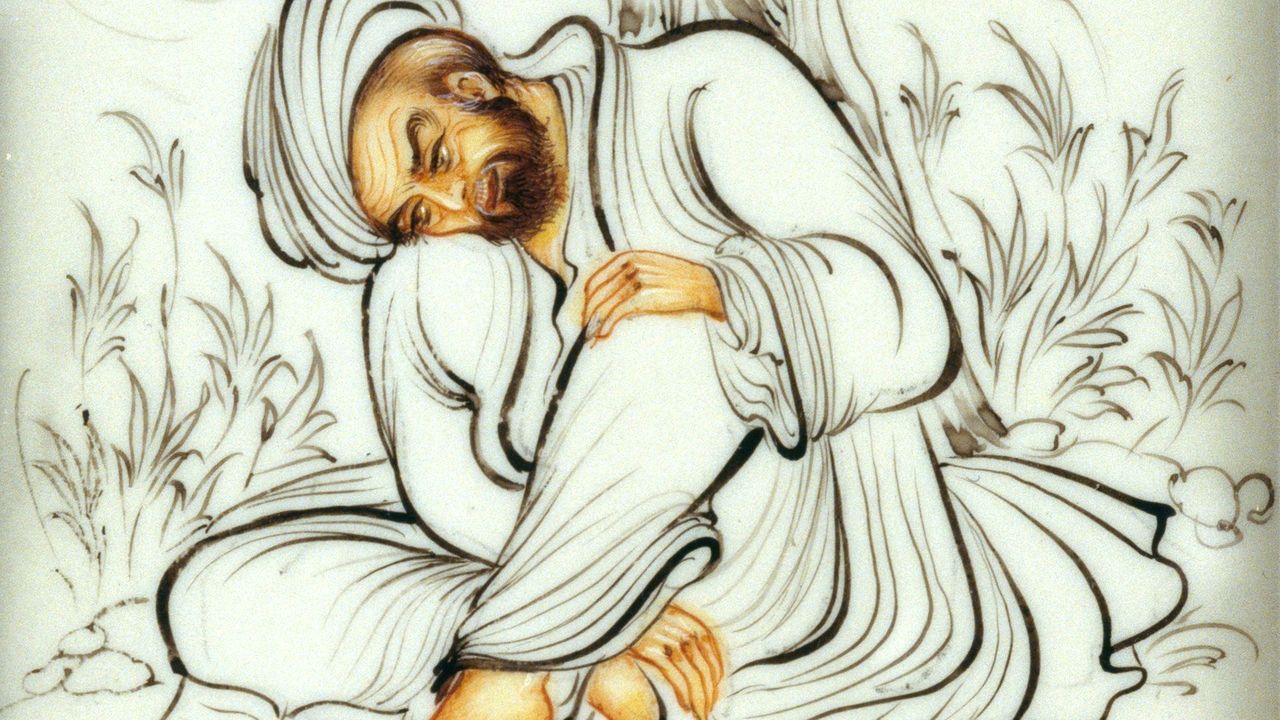
The Wisdom of the Elder: Unveiling the Secrets of the Wine-House
In the evocative words of Hafiz, "learn the secret of the wine-house from the lips of the elder," we are beckoned to explore the profound wisdom that comes from those who have traversed the path before us. This invitation is not merely to seek knowledge but to engage in a deeper understanding of life’s mysteries through the guidance of those who embody experience and insight. The stakes are high; in a world often dominated by fleeting trends and superficial knowledge, the wisdom of the elder serves as a beacon, illuminating the path toward authenticity and spiritual fulfillment.
Hafiz, a luminary of Sufi poetry, invites us to consider the significance of mentorship and the transmission of wisdom across generations. The "wine-house" symbolizes a sacred space where divine intoxication and spiritual ecstasy reside, suggesting that true understanding comes not from mere intellectual pursuit but from a heartfelt connection with the essence of life. The elder, representing the accumulated wisdom of years, becomes a vital source of guidance, urging us to delve into the depths of our own experiences and the collective consciousness of humanity.
The image / the metaphor
At first glance, the imagery of the "wine-house" conjures visions of revelry and intoxication, yet within the Sufi tradition, it transcends mere physicality. The wine-house serves as a metaphor for the divine presence, a place where one can experience the intoxicating love of the Beloved. The act of learning from the elder implies a dynamic exchange, where wisdom flows from one soul to another, enriching both the teacher and the student. The verbs chosen—"learn" and "lips"—suggest an intimate transmission of knowledge, emphasizing the importance of listening and absorbing the teachings that resonate with our own spiritual journeys.
Diving deeper, the metaphor of the wine-house invites us to reflect on the nature of spiritual awakening. Just as wine can alter our perception and elevate our spirits, so too can the wisdom imparted by the elder transform our understanding of existence. This transformation is not merely cognitive; it is an experiential journey that requires surrender and openness. The elder, as a guide, embodies the qualities of patience, compassion, and insight, reminding us that the path to enlightenment is often paved with humility and a willingness to learn from those who have walked it before us.
In the speaker's tradition
Hafiz's call to learn from the elder resonates deeply within the Sufi tradition, which emphasizes the importance of spiritual companionship and the guidance of a master. Concepts such as *fana* (the annihilation of the self) and *bhakti* (devotion) are integral to this journey, highlighting the necessity of surrendering to a higher wisdom. In Sufism, the relationship between the seeker and the elder is akin to that of a disciple and a guru, where the latter serves as a conduit for divine knowledge and insight. This dynamic fosters a sense of community and shared purpose, allowing seekers to navigate the complexities of existence with greater clarity and understanding.
In the *Masnavi*, Rumi speaks of the importance of the teacher in guiding the student through the labyrinth of life. He writes, "The wound is the place where the Light enters you," suggesting that through the trials and tribulations of life, the elder's wisdom can illuminate our path. This interplay between suffering and enlightenment reinforces the notion that the journey toward understanding is often fraught with challenges, yet it is precisely through these experiences that we can glean the most profound insights.
Living the teaching
Consider a modern scenario where a young professional grapples with the complexities of career choices and personal aspirations. In seeking guidance, they turn to a mentor—an elder who has navigated similar challenges. Through candid conversations, the elder shares not only their successes but also their failures, imparting lessons that transcend mere advice. This exchange becomes a sacred dialogue, where the younger individual learns to embrace uncertainty and cultivate resilience, ultimately finding their own path illuminated by the elder's wisdom.
In the realm of relationships, the teaching of learning from the elder can manifest in moments of conflict or misunderstanding. Imagine a couple facing a significant challenge; rather than resorting to defensiveness, they seek counsel from a wise elder who has weathered similar storms. The elder's insights, rooted in compassion and understanding, provide a fresh perspective that encourages the couple to communicate openly and empathetically. This practice of seeking wisdom not only deepens their connection but also fosters a culture of respect and learning within their relationship.
A reflection
As we contemplate Hafiz's invitation to "learn the secret of the wine-house from the lips of the elder," we are prompted to reflect on our own lives. Who are the elders in our communities, and how can we cultivate relationships that allow for the exchange of wisdom? In what ways can we open ourselves to the teachings that arise from both our experiences and those of others? This contemplative inquiry invites us to embrace the richness of shared knowledge and the transformative power of connection.



Join the BrightStar Community
Stay connected with daily inspiration, event announcements, and community wisdom