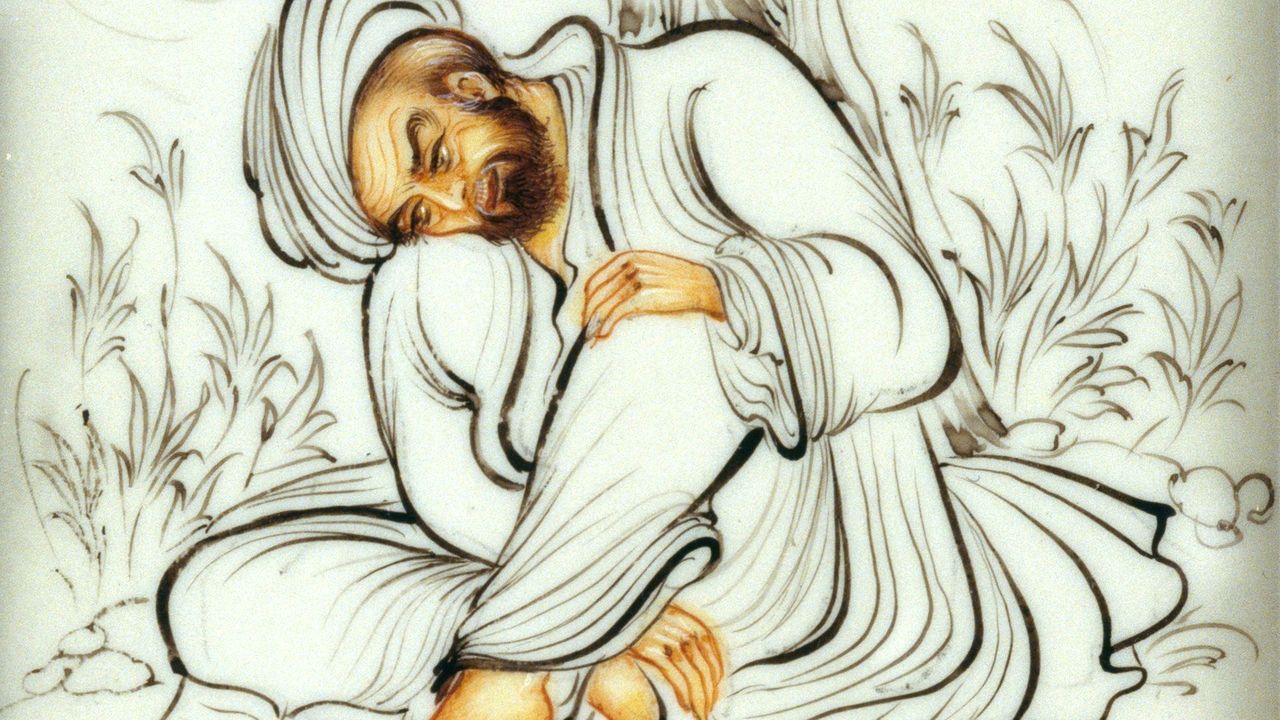
The Wisdom of Forgetting: A Journey into Silence
Hafiz invites us into a profound exploration of self-forgetfulness with his evocative quote, "Forget yourself completely, then listen." This call to abandon the ego serves as a gateway to deeper understanding and connection. In a world often dominated by self-interest and distraction, the stakes of this teaching are high; it challenges us to step beyond our limited identities and truly engage with the wisdom that surrounds us.
To listen, truly listen, requires a surrendering of the self. This act of forgetting oneself is not merely a dismissal of personal identity but a transformative process that opens the heart and mind. It is an invitation to silence the incessant chatter of the ego, allowing us to hear the whispers of the universe, the insights of others, and the deeper truths within ourselves. In this way, Hafiz beckons us toward a state of being where wisdom can flourish, unencumbered by the noise of our own desires and fears.
The image / the metaphor
At first glance, the imagery in Hafiz's quote is strikingly simple yet deeply layered. The phrase "forget yourself completely" evokes a sense of relinquishing control, of letting go of the tightly held narratives that define our existence. The verb "listen" suggests an active engagement, a readiness to absorb and understand rather than to react or judge. This juxtaposition of forgetting and listening creates a felt sense of spaciousness, as if the act of letting go creates room for something greater to enter.
Diving deeper into the metaphor, we can see that forgetting oneself is akin to shedding layers of an onion, revealing the core of our being. In this state of vulnerability, we become open vessels, ready to receive the wisdom that flows from the universe and from others. The act of listening, then, transforms from a passive reception into an active communion with the world around us. It is in this sacred space of openness that true understanding and connection can emerge, allowing us to transcend the limitations of our individual experiences.
In the speaker's tradition
Hafiz, a luminary of Sufi poetry, speaks from a tradition rich in concepts that resonate with the essence of his quote. The idea of "fana," or self-annihilation, is central to Sufi thought, where the dissolution of the ego leads to a profound union with the divine. This process of forgetting oneself aligns with the Sufi pursuit of "ihsan," or excellence in worship, which emphasizes the importance of being fully present and engaged in the moment. In this light, Hafiz's words become a clarion call to embrace a path of humility and surrender.
In the context of Sufi literature, we can draw parallels to the teachings of Rumi, another master of this tradition. Rumi often speaks of the necessity of losing oneself to find the beloved, suggesting that true love and understanding arise only when we transcend our individual desires. His poem, "The Guest House," beautifully illustrates this idea, inviting us to welcome all emotions and experiences as guests, thereby fostering a deeper connection with the divine and with others.
Living the teaching
Imagine a moment in your daily life when you find yourself overwhelmed by the demands of work, relationships, or personal ambitions. In such instances, the call to "forget yourself completely" can serve as a powerful reminder to pause and breathe. By consciously setting aside your ego-driven concerns, you create space to truly listen to your colleagues, friends, or even the silence of your own heart. This practice not only fosters deeper connections but also cultivates a sense of peace amidst the chaos of modern life.
In a more intimate context, consider a challenging conversation with a loved one. The instinct to defend oneself can often drown out the ability to listen and empathize. By embracing Hafiz's teaching, you might approach the dialogue with a willingness to forget your own perspective, allowing the other person’s feelings and thoughts to take precedence. This shift can transform the interaction into a sacred exchange, where understanding and compassion flourish, ultimately strengthening the bond between you.
A reflection
As we reflect on Hafiz's profound invitation, we might ask ourselves: What would it mean to truly forget my ego in moments of listening? This contemplative question invites us to explore the barriers we erect between ourselves and others, as well as the wisdom that lies beyond our self-imposed limitations. In this exploration, we may discover that the path to deeper understanding and connection is paved with the willingness to let go of our need to be heard, allowing the voices of the world to resonate within us.



Join the BrightStar Community
Stay connected with daily inspiration, event announcements, and community wisdom