The Silent Language of the Soul
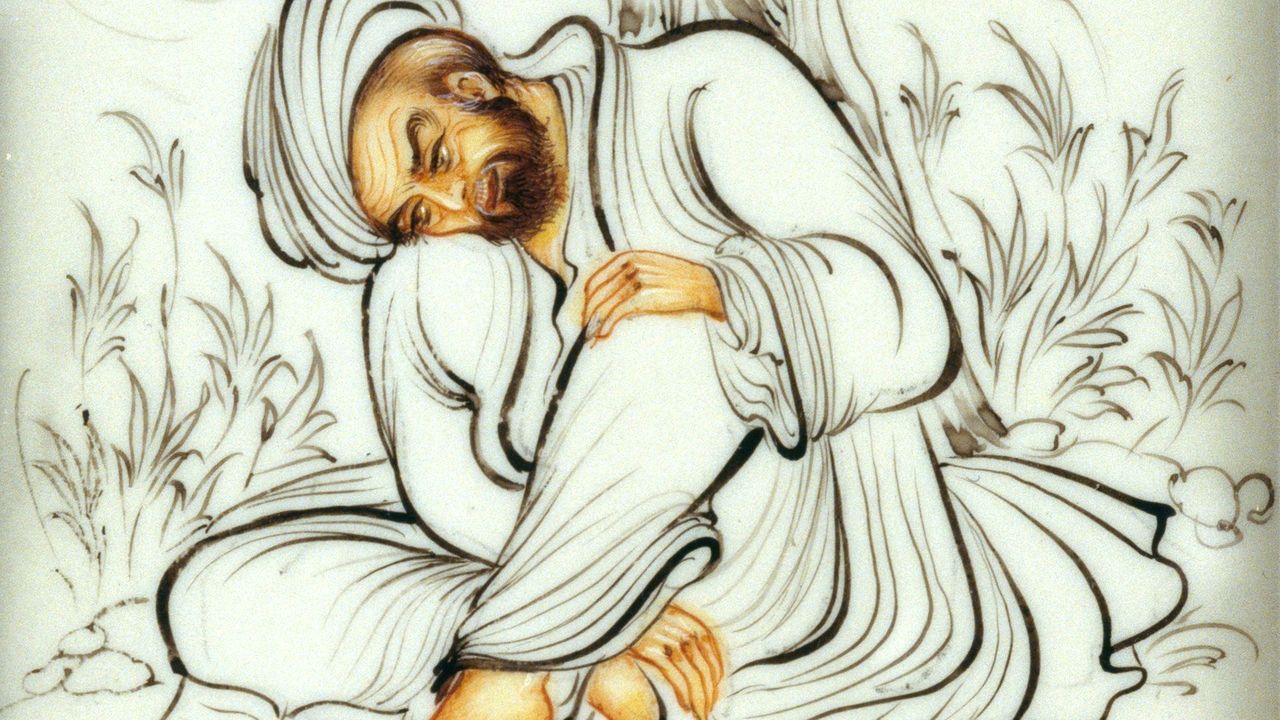
Hafiz invites us to embrace a profound silence, suggesting that our true essence can be communicated without words. "Hafiz, do not speak of the secret — let your face speak it," he implores, urging us to transcend the limitations of verbal expression. This quote resonates deeply in a world often dominated by noise and distraction, where the subtleties of our inner lives can be overshadowed by the clamor of external communication. It beckons us to explore the depths of our being and to express our truths through the quiet radiance of our presence.
In a culture that often equates worth with the ability to articulate thoughts and feelings, Hafiz's wisdom serves as a gentle reminder of the power of non-verbal communication. The face, as a canvas of emotion, can convey a wealth of understanding that words may fail to capture. This teaching invites us to cultivate a deeper awareness of ourselves and our connections with others, suggesting that the most profound truths are often felt rather than spoken. In this way, Hafiz encourages us to embody our secrets, allowing our very being to resonate with the unspoken language of the heart.
The image / the metaphor
At first glance, the imagery in Hafiz's quote evokes a sense of intimacy and vulnerability. The act of allowing one's face to "speak" implies a deep trust in the authenticity of our emotions. The choice of the word "secret" suggests that there are truths within us that are too sacred or complex for mere words. Instead, our facial expressions—those subtle shifts in our eyes, the curve of our lips, the tension in our brows—become the vessels through which our inner landscapes are revealed. This metaphor encapsulates the idea that our true selves are often hidden beneath layers of social conditioning and expectation, waiting to be unveiled in the quiet moments of connection.
Diving deeper into the metaphor, we find that the face serves as a bridge between the inner and outer worlds. It is a reflection of our soul's journey, a map of our experiences, joys, and sorrows. When we allow our face to communicate our secrets, we invite others to witness our authenticity. This act of vulnerability can foster deeper connections, as it encourages others to drop their defenses and engage with us on a more profound level. In this way, Hafiz's teaching becomes a call to embrace our humanity, to acknowledge that our secrets are not burdens to be hidden but gifts to be shared through the silent language of our presence.
In the speaker's tradition
Hafiz's wisdom is deeply rooted in the Sufi tradition, which emphasizes the importance of inner experience and the pursuit of divine love. Central to Sufism is the concept of *fana*, or the annihilation of the self, which allows for a deeper connection with the divine. In this context, Hafiz's invitation to let our faces speak the secret aligns with the Sufi practice of surrendering the ego and allowing the heart to guide our expressions. This journey toward selflessness opens the door to a more profound understanding of love and connection, where words become secondary to the essence of being.
Moreover, Hafiz's teaching resonates with the Sufi practice of *dhikr*, or the remembrance of God, which often transcends verbal recitation. In moments of deep contemplation, practitioners may find that their faces reflect the joy and peace of divine presence, communicating a sense of unity that words cannot encapsulate. The *Divan*, from which this quote is drawn, is filled with such expressions of love and longing, illustrating how the heart can convey the ineffable truths of existence. In this light, Hafiz's words become a guiding principle for those seeking to embody their spiritual truths in a world that often prioritizes the spoken word.
Living the teaching
Consider a modern scenario where this teaching might resonate: a gathering of friends sharing a meal. In the midst of laughter and conversation, one person may feel a profound sense of gratitude or love that transcends the words being spoken. Instead of articulating this feeling, they allow their face to reflect their inner joy—perhaps through a warm smile or sparkling eyes. In this moment, the unspoken connection deepens, as others sense the authenticity of that emotion. This illustrates how our presence can communicate truths that words might dilute, reinforcing the idea that sometimes, silence speaks louder than speech.
Another application of this teaching can be found in moments of conflict or misunderstanding within relationships. When tensions rise, it can be easy to resort to defensive words or accusations. However, if we pause and allow our faces to express our vulnerability—perhaps through a softened gaze or a gentle sigh—we create space for empathy and understanding. This shift from verbal confrontation to non-verbal communication can transform the dynamic, inviting a deeper exploration of the underlying emotions. In this way, Hafiz's wisdom encourages us to embrace the power of silence, allowing our true selves to emerge and fostering connections that transcend the limitations of language.
A reflection
As we contemplate Hafiz's invitation to let our faces speak the secrets of our hearts, we might ask ourselves: What truths lie beneath the surface of our daily interactions? In what ways can we cultivate a deeper awareness of our non-verbal expressions, allowing them to convey the essence of who we are? This question invites us to explore the silent language of our being, encouraging us to embrace the beauty of vulnerability and authenticity in our relationships with ourselves and others.



Join the BrightStar Community
Stay connected with daily inspiration, event announcements, and community wisdom