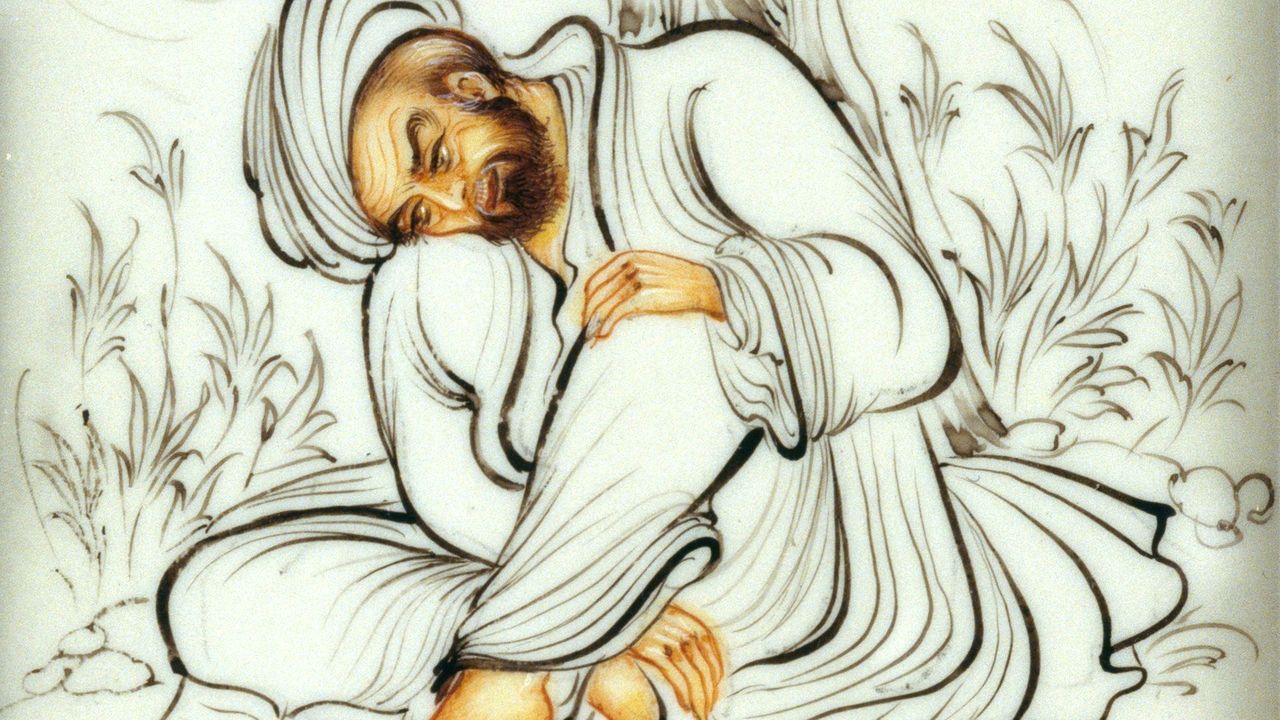
Embracing the Open Door: A Journey Beyond Constraints
Hafiz invites us to relinquish the burdens that tether us to our past, suggesting that true freedom lies just beyond the threshold of our self-imposed limitations. The tavern door, a metaphor for opportunity and liberation, swings open, beckoning us to step into a realm of grace and possibility. This call to action is not merely poetic; it is a profound reminder of the transformative power of release, urging us to shed the weight of our fears and doubts in pursuit of a more authentic existence.
In a world often dominated by the familiar and the comfortable, Hafiz's words resonate with a timeless urgency. The act of forsaking what holds us back is not just an invitation to change; it is a radical reorientation of our lives toward the expansive potential that awaits us. The tavern, a place of gathering and revelry, symbolizes the richness of life that lies beyond our self-imposed barriers. To embrace this invitation is to embark on a journey of self-discovery, where the essence of our being can flourish unencumbered.
The image / the metaphor
The imagery of a tavern door swinging open evokes a sense of warmth and welcome, suggesting a space filled with laughter, companionship, and the joys of life. The verbs "forsake" and "swings" are particularly striking; they imply a dynamic movement away from stagnation and toward a vibrant existence. The tavern door serves as a threshold, a liminal space where one can leave behind the weight of past experiences and step into a new reality filled with potential and grace.
Diving deeper into the metaphor, the tavern itself can be seen as a representation of the collective human experience, a place where souls gather to share stories, wisdom, and joy. To forsake what holds us back is to acknowledge the fears and doubts that often keep us confined within our own mental taverns. By stepping through the open door, we not only liberate ourselves but also embrace the interconnectedness of all beings, recognizing that our journey toward freedom is shared with others who seek the same release.
In the speaker's tradition
Hafiz's teachings are deeply rooted in Sufism, a mystical branch of Islam that emphasizes the inner dimensions of faith and the pursuit of divine love. Concepts such as *fana*, the annihilation of the self, and *bhakti*, the devotion to the divine, resonate with the essence of this quote. In Sufi thought, the act of forsaking what holds us back aligns with the idea of surrendering the ego to experience a profound connection with the divine and the universe at large.
In the *Divan*, Hafiz often explores themes of love, longing, and the quest for spiritual awakening. His poetry invites readers to transcend the limitations of the self and embrace a state of *sunyata*, or emptiness, where one can experience the fullness of existence. This notion of release is echoed in the works of other Sufi poets, such as Rumi, who similarly encourages the seeker to let go of attachments and embrace the divine flow of life.
Living the teaching
Consider a modern scenario where an individual feels trapped in a job that no longer fulfills them. The daily grind becomes a source of anxiety and discontent, yet the fear of the unknown keeps them tethered to this unfulfilling path. Hafiz's invitation to forsake what holds us back resonates here, as it encourages the individual to confront their fears and consider the possibilities that lie beyond the familiar. By embracing the open door, they may discover a new career or passion that aligns with their true self, leading to a more vibrant and fulfilling life.
This teaching can also be applied in the context of relationships. Imagine a friendship that has become toxic, filled with misunderstandings and resentment. The fear of loneliness or the comfort of familiarity may prevent one from addressing the situation. Hafiz's wisdom reminds us that releasing what no longer serves us can lead to healthier connections and deeper relationships. By stepping through the tavern door of self-awareness and courage, one can create space for more authentic and loving interactions.
A reflection
As we contemplate Hafiz's profound invitation, we are called to examine the taverns of our own lives. What fears, doubts, or attachments are we clinging to that prevent us from stepping into a more expansive existence? In this moment of reflection, consider: What would it mean for you to forsake what holds you back and embrace the open door that awaits? Allow this question to linger, inviting you to explore the depths of your own heart and the possibilities that lie beyond.



Join the BrightStar Community
Stay connected with daily inspiration, event announcements, and community wisdom