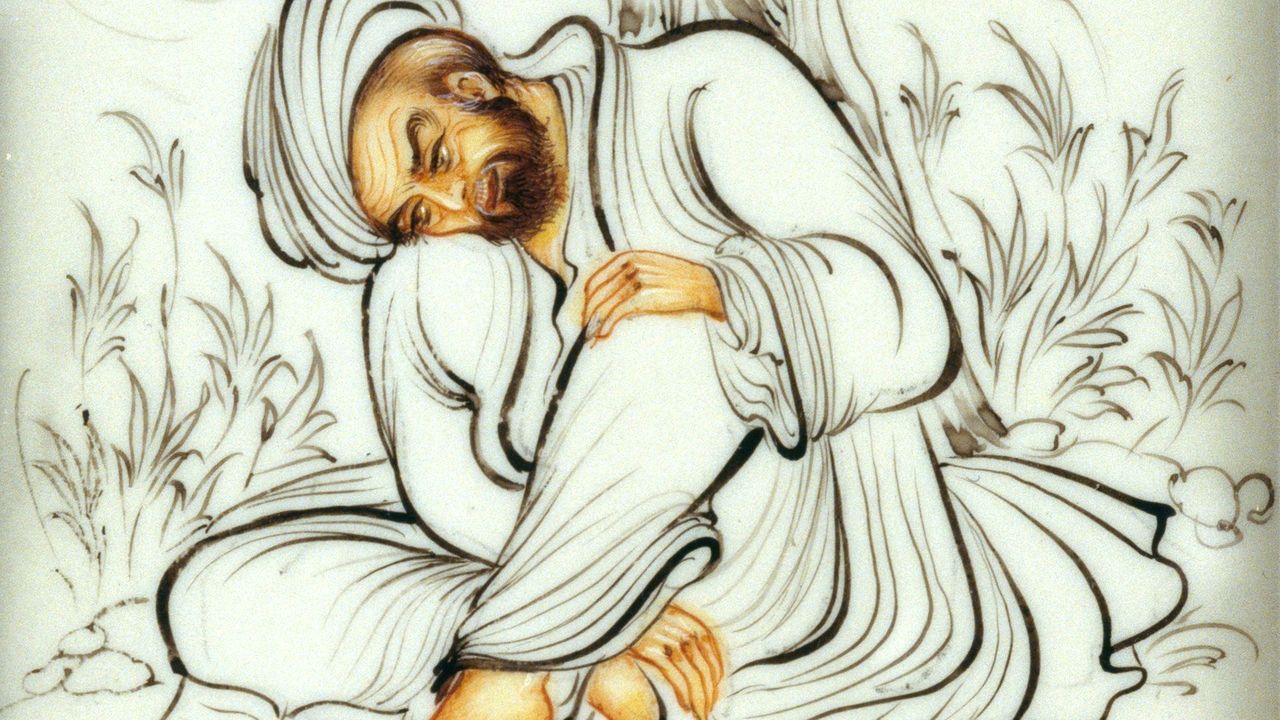
The Cypress and the Beloved: A Dance of Longing at Dawn
Hafiz's evocative line, "At the time of the dawn-prayer, the cypress trembles for the Beloved," encapsulates a profound moment of yearning and devotion. Here, the cypress tree, a symbol of strength and resilience, embodies the deep longing that arises in the stillness of dawn, a time traditionally associated with prayer and reflection. This quote invites us to explore the intersection of nature, spirituality, and the human experience of love and longing. It beckons us to consider how our own hearts tremble in the presence of the Divine, especially during those sacred moments of connection.
As the dawn breaks, the world awakens, and so too does the heart. The imagery of the cypress trembling suggests a vulnerability that accompanies deep love and devotion. This trembling is not merely a physical reaction; it is an expression of the soul's desire to connect with the Beloved, a term that transcends the personal and touches the universal. In this light, Hafiz's words resonate with anyone who has felt the stirrings of longing, whether for a loved one, a spiritual truth, or the beauty of existence itself. The dawn-prayer becomes a ritual of awakening, a moment when the heart opens to the vastness of love.
The image / the metaphor
The cypress tree, often associated with eternity and the divine in various cultures, serves as a powerful metaphor in Hafiz's quote. Its trembling signifies not just fear or anxiety but an ecstatic response to the presence of the Beloved. The choice of the word "trembles" evokes a sense of fragility and profound sensitivity, suggesting that even the strongest among us can be moved by love. The dawn-prayer, a time of stillness and reflection, amplifies this trembling, as it is during these quiet moments that the heart is most receptive to the Divine.
Diving deeper into the metaphor, we find that the cypress's trembling can also represent the soul's journey toward union with the Beloved. In Sufi thought, the Beloved often symbolizes the ultimate reality or God, and the trembling of the cypress reflects the soul's yearning to dissolve into this greater existence. This longing is not a passive state; it is an active engagement with the divine, where the heart seeks to transcend its limitations. The dawn-prayer, then, becomes a sacred ritual that aligns the individual with the cosmic rhythm of love, inviting us to participate in the divine dance of creation.
In the speaker's tradition
Hafiz's work is deeply rooted in the Sufi tradition, which emphasizes the importance of love, longing, and the quest for union with the Divine. Concepts such as *fana* (the annihilation of the self in God) and *bhakti* (devotional love) resonate throughout his poetry. The trembling of the cypress can be seen as an expression of *fana*, where the individual ego surrenders to the greater reality of love. In this context, the dawn-prayer serves as a moment of awakening, where the seeker recognizes their place within the vast tapestry of existence.
Moreover, Hafiz's poetry often draws parallels with the works of other Sufi masters, such as Rumi, who similarly explores the themes of love and longing. In Rumi's poetry, the beloved is often depicted as both a personal and universal presence, inviting the seeker to experience the depths of love in all its forms. The *Masnavi*, Rumi's seminal work, echoes the sentiment of Hafiz, emphasizing the transformative power of love and the importance of surrendering to the divine. Together, these poets illuminate the path of the heart, guiding us toward a deeper understanding of our relationship with the Beloved.
Living the teaching
In our modern lives, the teaching encapsulated in Hafiz's quote can manifest in various ways. Consider a moment when you wake up early, the world still cloaked in the soft hues of dawn. As you sit in silence, perhaps with a cup of tea or coffee, you might feel a stirring within—a longing for connection, clarity, or peace. This is your own cypress trembling, a reminder that even in the stillness, your heart yearns for something greater. By embracing these moments of quiet reflection, we can cultivate a deeper awareness of our desires and the divine presence that surrounds us.
Additionally, this teaching can be applied in our relationships, particularly during challenging times. When faced with conflict or misunderstanding, we might recall the image of the cypress trembling for the Beloved. This can inspire us to approach our loved ones with vulnerability and openness, recognizing that our connections are sacred. By allowing ourselves to tremble in the face of love, we create space for healing and understanding, transforming our interactions into opportunities for growth and deeper connection. In this way, Hafiz's words guide us toward a more profound engagement with both ourselves and those we cherish.
A reflection
As we contemplate Hafiz's poignant words, we are invited to reflect on our own experiences of longing and connection. In what moments do you feel your heart tremble for the Beloved, whether that be a person, a spiritual truth, or the beauty of existence? Consider how these moments shape your understanding of love and devotion. Allow this contemplation to deepen your awareness of the sacred rhythms in your life, and let it guide you toward a more profound connection with the Divine.



Join the BrightStar Community
Stay connected with daily inspiration, event announcements, and community wisdom