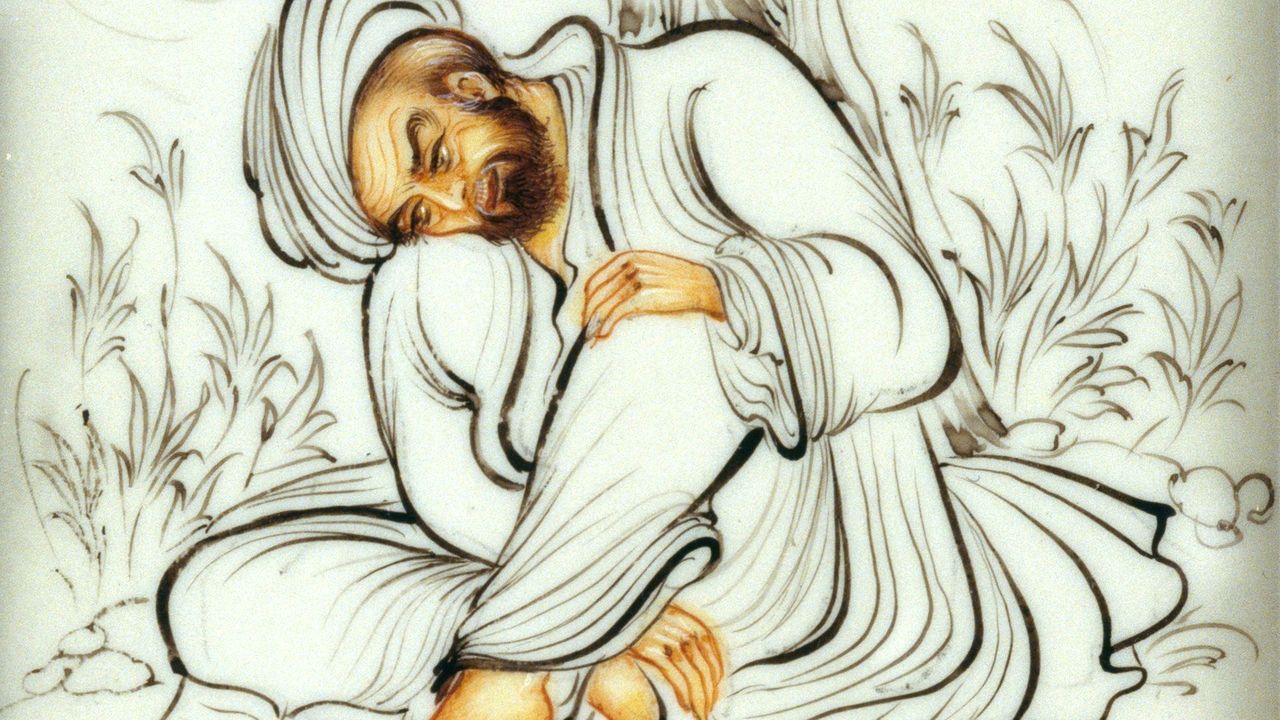
Whispers of Dawn: Embracing the Friend Within
Hafiz, the beloved Persian poet, invites us to consider the profound significance of dawn in his evocative line, "At dawn the breeze brings tidings of the Friend." In this simple yet layered statement, he suggests that the early morning, with its gentle breeze, carries messages of connection and intimacy with the divine. This moment of transition from night to day symbolizes not only the awakening of the world but also the awakening of our own hearts to the presence of the sacred. Understanding this quote matters deeply, as it encourages us to cultivate awareness of the subtle signs of love and companionship that surround us, urging us to embrace the divine friendship that is ever-present in our lives.
As we delve deeper into Hafiz's words, we recognize that dawn is more than just a time of day; it represents a spiritual awakening. The breeze, a gentle and often overlooked phenomenon, becomes a messenger, carrying with it the promise of renewal and hope. This imagery invites us to pause and reflect on our own lives, to consider how we might be attuned to the whispers of the universe that guide us toward deeper connections. In a world often filled with noise and distraction, Hafiz beckons us to listen closely, to breathe in the tidings of friendship that the dawn offers, and to recognize that we are never truly alone.
The image / the metaphor
The imagery in Hafiz's quote is rich and evocative, painting a picture of dawn as a sacred time when nature itself seems to conspire to bring us closer to the divine. The "breeze" serves as a metaphor for the subtle yet powerful forces that can awaken our spirits and connect us to something greater than ourselves. The choice of the word "tidings" suggests that these messages are not merely random occurrences but rather intentional communications from the universe, inviting us to engage with the divine presence in our lives. This moment of dawn, with its soft light and gentle air, becomes a threshold between the mundane and the sacred, a reminder that each day offers new opportunities for connection.
Diving deeper into the metaphor, we can see that the "Friend" represents not only the divine but also the essence of love and companionship that resides within us. The breeze, in its ephemeral nature, symbolizes the fleeting moments of insight and clarity that can arise when we are open to receiving them. Hafiz encourages us to cultivate a sense of receptivity, to be like the dawn itself—ready to embrace the light and warmth that comes with each new day. This metaphor invites us to consider how we might embody this openness in our own lives, allowing the "Friend" to reveal itself in the simplest of moments.
In the speaker's tradition
Hafiz's work is deeply rooted in the Sufi tradition, which emphasizes the importance of love, unity, and the quest for divine connection. Central to Sufism is the concept of "fana," or the annihilation of the self in the presence of the divine, which resonates with the idea of surrendering to the breeze that brings tidings of the Friend. This notion encourages us to dissolve our egoic boundaries and open ourselves to the profound love that exists beyond our individual identities. In this way, Hafiz's quote can be seen as an invitation to experience the divine friendship that transcends the limitations of our personal narratives.
Moreover, the idea of "bhakti," or devotion, is also present in Hafiz's work. Just as a devotee seeks to cultivate a loving relationship with the divine, Hafiz encourages us to recognize the moments of connection that arise in our daily lives. The "Friend" can be understood as the beloved, the divine presence that we yearn for and seek to embody. In this context, Hafiz's poetry serves as a guide, reminding us that the path to divine friendship is paved with awareness, love, and the willingness to embrace the beauty of each dawn.
Living the teaching
In our modern lives, the teaching encapsulated in Hafiz's quote can manifest in various ways. Consider a moment when you wake up early, perhaps before the world stirs to life. As you step outside, you feel the cool morning air on your skin, and the gentle breeze brushes past you. In that instant, you might pause to reflect on the beauty of the moment, allowing yourself to be present and receptive to the messages that the universe is offering. This simple act of mindfulness can transform your day, reminding you that the divine is always present, waiting to be acknowledged and embraced.
Another application of this teaching can be found in our relationships. Imagine a difficult conversation with a loved one, where misunderstandings have created distance. By approaching the situation with the spirit of dawn—open, gentle, and willing to listen—you may find that the breeze carries tidings of reconciliation and understanding. In this way, Hafiz's words encourage us to cultivate a sense of presence and receptivity in our interactions, allowing the "Friend" to guide us toward deeper connections and healing.
A reflection
As we contemplate Hafiz's invitation to embrace the tidings of the Friend at dawn, we are left with a profound question: How can we cultivate a deeper awareness of the divine presence in our daily lives? This inquiry invites us to explore the ways in which we might open ourselves to the whispers of love and connection that surround us, encouraging us to listen more closely and to embrace the beauty of each new day. In this practice of attentiveness, we may discover that the Friend is not a distant figure but rather an intimate presence that resides within and around us, waiting to be acknowledged and celebrated.




Join the BrightStar Community
Stay connected with daily inspiration, event announcements, and community wisdom